
How to Prepare for Popular Aesthetic Treatments
You’ve decided to enhance your appearance with one of today’s top aesthetic treatments.
Whether you’re eyeing Botox, dermal fillers, CoolSculpting, or any number of other treatments, it’s important to prepare properly to get the best results. After all, good prep work is half the battle!
Aesthetic treatments are a great way to refresh your look, but you can’t just walk into a clinic and hope for the best.
There are steps to take before, during, and after your treatment to make sure everything goes smoothly.
And let’s be honest, who doesn’t want to look and feel their best? In this guide, we’ll walk you through how to prepare for each of these popular treatments, while also covering important aftercare tips to ensure long-lasting results.
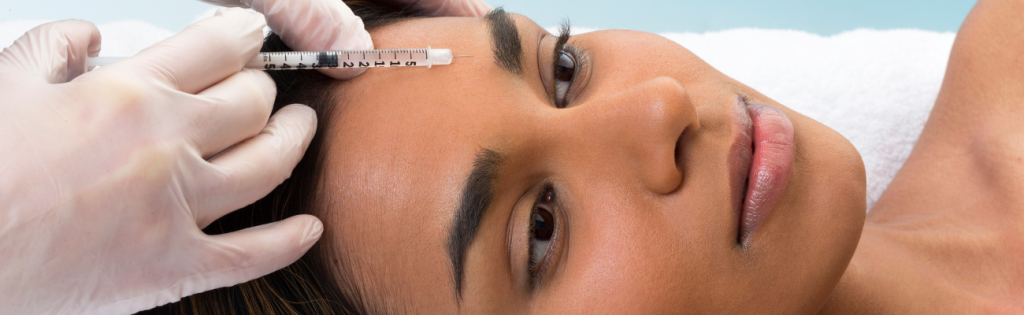
How to Prepare for Botox Treatment
Ah, Botox. The beauty industry’s go-to wrinkle-busting miracle!
If you’re looking to smooth out fine lines and wrinkles and restore some youthful energy to your face, Botox is the treatment that comes to the rescue. But before you head to the clinic, there are a few things you’ll want to do to prepare.
- The first step is a consultation with your practitioner. A professional will assess your face and medical history to determine if Botox is right for you.
It’s also a time for you to discuss the areas you’d like to treat and any concerns you might have. You don’t want to jump into Botox without a plan! A little prep here can go a long way.
- In the days leading up to your treatment, avoid alcohol and blood-thinning medications! Alcohol increases the likelihood of bruising, and medications like aspirin can also have that effect.
If you’re prone to bruising, the last thing you want is to increase your chances of looking like you’ve been in a bar fight post-treatment. Stick to non-blood-thinning alternatives and keep it light on the booze.
- Also, plan on arriving at your appointment makeup-free. It’s best to have a clean face for your Botox practitioner to work on.
Botox injections go directly into the skin, and you don’t want makeup getting in the way of precision. And no, you can’t apply makeup right after; you’ll need to hold off for a while. But don’t worry, the results will be worth it.
Botox Aftercare is also simple but important. After your treatment, avoid rubbing or massaging the injection sites for at least 24 hours. You’ll want the Botox to settle into the muscles without disruption.
Stay upright for the first few hours after your treatment and skip heavy exercise for a day or two. Remember, Botox needs time to work its magic!
How to Prepare for Dermal Fillers
Dermal fillers are the go-to for those looking to restore volume to the face, enhance lips, or smooth out deep lines and wrinkles.
If you’re aiming for plumper skin or filling in some volume loss around your cheeks or under your eyes, dermal fillers are a fantastic option.
- Your preparation process for dermal fillers is quite similar to Botox in that it starts with a consultation.
A good practitioner will ensure that your expectations match the reality of what dermal fillers can do. You may even get a skin assessment to find the perfect filler for your needs.
It’s also important to talk about any allergies or previous procedures you’ve had, so your practitioner can make the best choices for you.
- Just like Botox, you’ll want to avoid blood-thinning medications in the days leading up to your treatment. But there’s a little more to dermal filler prep: avoid alcohol and smoking for at least 24 hours before the procedure.
Alcohol can increase swelling and bruising, while smoking can slow down the healing process. So, give your skin the best chance at glowing post-treatment and lay off the ciggies and cocktails for a bit.
- On the day of the procedure, make sure you arrive with clean skin. No heavy creams or makeup. Your practitioner needs to see the natural contours of your face to determine where the filler will be placed.
Once your dermal filler treatment is done, your dermal filler aftercare is key. Avoid touching or massaging the treated areas for at least a few hours.
Some swelling and bruising are normal but should subside within a few days. Be sure to keep the area moisturised and avoid heat, intense workouts, and sun exposure during the first few days.
It’ll give your skin time to heal and allow the filler to settle in naturally.
How To Prepare For Chemical Peels
Chemical peels are a great way to refresh your skin and reduce fine lines, acne scars, and pigmentation.
This treatment works by removing the top layer of skin, allowing fresh, healthy skin cells to emerge. It’s like hitting the reset button on your skin.
- Before your chemical peel, a consultation with a skin specialist is essential. They’ll determine what strength of chemical peel you need based on your skin type and the results you’re looking for.
If you have sensitive skin or if it’s prone to reactions, you’ll need to discuss this beforehand.
- Leading up to your appointment, you’ll need to prep your skin.
Avoid using products like retinoids, exfoliants, or acne medications a week before your chemical peel.
These products can make your skin more sensitive, which might lead to irritation during the peel. Make sure to stay out of the sun for at least a week as well. Sun exposure can cause pigmentation issues and increase the risk of complications.
After your peel, chemical peel aftercare is super important. Expect some redness, peeling, or flaking, and give your skin time to heal.
Use a gentle moisturiser and sunscreen every day. Avoid hot showers, exercise, or anything that could cause excessive sweating for the first few days. Your skin will be fresh, but it needs time to settle down before it can shine.
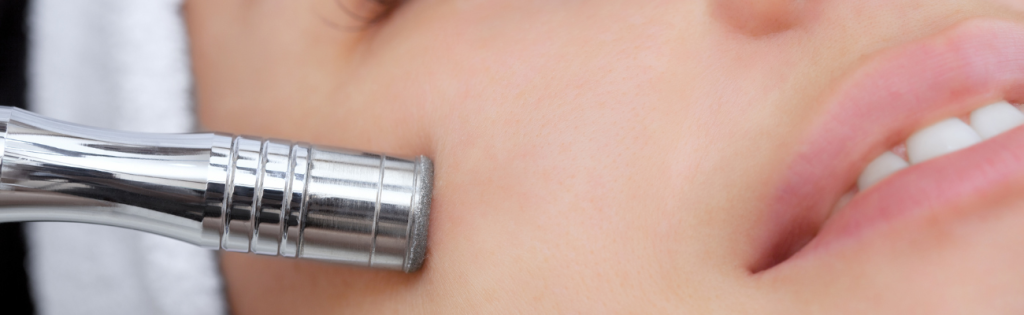
How To Prepare For Microdermabrasion
Microdermabrasion is a less invasive option that’s perfect for exfoliating the skin.
It’s ideal for those looking to reduce minor wrinkles, sun damage, and even acne scars. Think of it as a deep exfoliation for your face that leaves your skin smoother and more youthful.
- Before your treatment, there’s not much to worry about—make sure to have a consultation with your practitioner to discuss your skincare goals.
Microdermabrasion is relatively simple, but your skin needs to be in a healthy condition. Don’t schedule this treatment if you have any active skin conditions like a rash or active acne, as the procedure can irritate your skin further.
- In the days before your treatment, avoid using strong exfoliating products or anything that could irritate your skin.
Keep your skin hydrated, and make sure to avoid the sun.
If you’ve been in the sun, you might have to reschedule for another time. Your practitioner will want your skin at its best before starting.
Microdermabrasion aftercare is straightforward. You may experience some redness or tightness for a day or two, but this is normal.
Just make sure to keep your skin hydrated and apply sunscreen daily to protect your fresh skin from harmful UV rays. Avoid any harsh scrubs or exfoliants until your skin has fully recovered!
How To Prepare For Laser Hair Removal
Laser hair removal is a fantastic option if you’re tired of shaving or waxing!
It’s quick and effective and can permanently reduce hair growth with multiple sessions. But there are a few things you need to do to prepare for this treatment.
- First, schedule a consultation with your practitioner. They’ll evaluate your skin and hair type to ensure the laser treatment will be effective for you.
- On the day of your appointment, make sure to shave the area that will be treated. You don’t want to wax or pluck, as the laser needs to target the hair follicles directly.
- Avoid sun exposure leading up to your appointment, as tanned skin can increase the risk of side effects.
Once your laser hair removal is complete, laser hair removal aftercare involves keeping the treated area clean and protected.
Avoid sun exposure for at least a week after your treatment, and make sure to apply sunscreen every day. You might experience redness or swelling, which is totally normal and will subside after a few hours.
How To Prepare For CoolSculpting
CoolSculpting is a non-invasive fat reduction treatment that freezes fat cells, leaving you with a more sculpted body. It’s a fantastic way to target those stubborn areas that diet and exercise just can’t seem to fix.
For CoolSculpting, you don’t need a whole lot of prep work, but it’s still important to have a consultation first. Your practitioner will discuss the areas you want to treat and assess your body’s needs. You won’t need to shave or do anything drastic before the treatment—just come in with loose clothing and an open mind.
CoolSculpting aftercare is easy. You can usually return to your daily activities immediately after your treatment. Some mild swelling or redness may occur, but this will subside in a few hours. You may feel some tingling or numbness in the treated area, but that’s a sign the fat cells are freezing and starting to break down.
Final Thoughts: Be Ready for Your Best Self
Whether you’re prepping for Botox, dermal fillers, laser hair removal, or CoolSculpting, proper preparation and aftercare are the keys to getting the best results.
Follow your practitioner’s instructions, give your skin the care it deserves, and enjoy the boost in confidence that comes with feeling and looking great!
By following these simple steps, you’ll be well on your way to a glowing, refreshed appearance. Just remember: a little preparation goes a long way. And once you’ve taken the time to prepare, you can relax and enjoy your rejuvenated self.
Frequently Asked Questions
1. How soon can I see results after Botox treatment?
Botox results usually take 3 to 7 days to fully appear, as it takes time for the muscle-relaxing effects to kick in. Full results can last up to 3 to 6 months, depending on individual factors.
2. What is the recovery time after dermal filler treatments?
Dermal filler recovery is typically quick. You may experience some swelling or bruising for a few days, but you can generally return to normal activities immediately. Most swelling should subside within 24 to 48 hours.
3. How long does laser hair removal take to show permanent results?
While laser hair removal can reduce hair growth significantly, it usually requires multiple sessions to achieve permanent results. Full results can be seen after about 6 to 8 treatments, spaced several weeks apart.
4. How can I reduce the risk of side effects from a chemical peel?
To minimise the risk of side effects like irritation or hyperpigmentation, avoid sun exposure for at least a week before the treatment, and refrain from using exfoliating products. Follow all aftercare instructions, including moisturising and wearing sunscreen.
5. Can I exercise after a CoolSculpting session?
It’s best to avoid intense exercise for 24-48 hours after your CoolSculpting treatment to allow the frozen fat cells time to break down and be eliminated naturally by your body. Light activities like walking are usually fine.
6. What should I avoid after microdermabrasion?
After microdermabrasion, avoid sun exposure, heavy exercise, and harsh skincare products. Your skin will be more sensitive than usual, so use gentle moisturisers and sunscreen, and avoid exfoliating until your skin has fully healed.