
If you’re looking to stock Profhilo for your clinic, we’ve made it straightforward. Browse our Profhilo injection and get it ordered through a compliant, practitioner-verified platform. Now, let’s get into the detail.
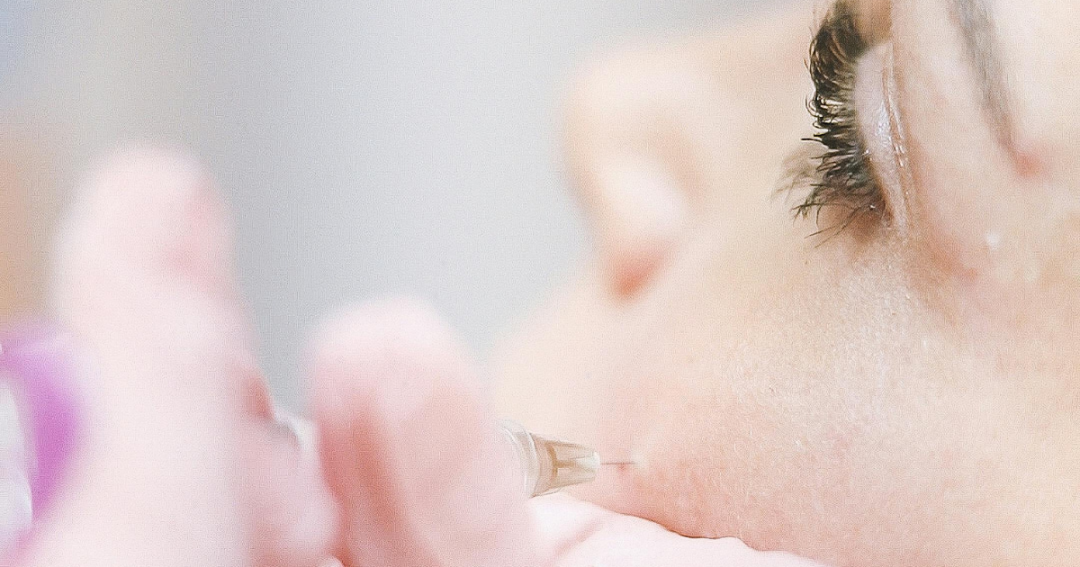
Profhilo has been one of the most consistent performers in aesthetic clinics for years now. Patients ask for it by name, results speak for themselves, and when it’s done well, retention is high. If you’re not already stocking it or you’re looking to switch to a more reliable supply route, here’s what you need to know.
Why Profhilo Still Earns Its Place in the Treatment Menu
A lot of products come and go in aesthetics. Profhilo hasn’t gone anywhere, and there’s a good reason for that. It’s not a filler, it’s not a traditional skin booster, and that distinction matters when you’re explaining it to patients.
What makes it different is its ultra-pure hyaluronic acid formulation and the way it releases slowly to stimulate collagen and elastin production. Patients aren’t just getting hydration, they’re getting genuine tissue remodelling over time. That’s a harder thing to deliver than a lot of the alternatives, and patients who’ve had it done well know the difference.
The Profhilo before and after results are what tends to do the selling for you. Skin looks and feels different, not frozen, not filled, just noticeably better in quality and tone. That’s a compelling story for patients who are early in their aesthetic journey or who’ve had bad experiences with heavier treatments elsewhere.
Understanding the Treatment Protocol
So, what is Profhilo? It’s a injectable skin booster built around stabilised hyaluronic acid, used to improve skin quality, hydration, and firmness rather than add volume in the way traditional dermal fillers do. The standard Profhilo treatment protocol involves two sessions spaced four weeks apart, using the BAP (Bio Aesthetic Points) technique. Five injection points on each side of the face, placed specifically to allow the product to spread and integrate into the tissue evenly.
It sounds straightforward and in experienced hands it is, but placement matters. Poor technique with the Profhilo injection leads to uneven distribution, patient discomfort, and results that don’t reflect what the product is actually capable of — the kind of Profhilo gone wrong stories that circulate online and put patients off before they’ve even had a consultation. If you’re new to Profhilo, take the time to get proper training before you start offering it.
One thing practitioners sometimes underestimate is how quickly patients see early changes. Profhilo after 1 week you’ll often see improved skin texture and hydration before the deeper remodelling has had a chance to kick in. Setting those expectations upfront helps with patient satisfaction and reduces unnecessary follow-up queries — and it’s worth having a clear answer ready for how long does Profhilo last, since that’s one of the first questions most patients ask. Typically, results from a full course last around six months, which is why a maintenance programme matters (more on that below).
The Three Products You Should Know About
Not all Profhilo products are the same, and building a proper offering means understanding what each one is designed to do.
Profhilo H + L
This is the original and the one most practitioners start with. Profhilo H + L is the facial treatment, combining high and low molecular weight hyaluronic acid to deliver both immediate hydration and longer-term bioremodelling. It’s your go-to for facial skin quality work and the product most patients are referring to when they search for Profhilo before and after results, or ask specifically about Profhilo before and after eyes — the tear trough and periorbital area being one of the most common areas patients want addressed.
Profhilo Body Kit
The Body Kit extends the Profhilo concept beyond the face. It’s formulated for larger surface areas including the abdomen, inner arms, thighs, and knees, areas where patients increasingly want treatment but where options have historically been limited. If your patients are asking about skin laxity on the body, this is worth having in your kit. The results won’t be surgical, but for the right patient, the improvement in skin texture and tone is genuinely noticeable.
Profhilo Structura
Profhilo Structura is where things get more targeted. It’s designed for areas with less subcutaneous fat, specifically the neck, décolletage, and hands. These are areas that age visibly and where patients often feel let down by standard approaches.
The Profhilo Structura before and after results in these areas can be genuinely impressive, particularly for patients with crepey or lax skin on the neck and chest. Adding it to your offering gives you a more complete answer to what patients are actually asking for, which is overall skin quality improvement across the whole picture, not just the face.
Sourcing Profhilo: Do It Properly
This is where a lot of practitioners make costly mistakes. Grey market sourcing, unofficial channels, products that may not have been stored correctly. It’s not worth the risk, clinically or professionally.
When you buy Profhilo online, you need to know you’re getting genuine product from a verified supply chain. That’s what we’ve built at Faces Consent. Our Profhilo range, which includes Profhilo H + L, Profhilo Body Kit, and Profhilo Structura, sits within our skin booster category, accessible to registered practitioners, with the compliance infrastructure already in place.
It’s a simple process. You’re not jumping through hoops or navigating grey areas. You order, you get genuine Profhilo injections, you treat your patients well. That should be the standard, and for practitioners using our platform, it is.
Building a Profhilo Offering That Patients Come Back For
The product is only part of the picture. What keeps patients coming back is the experience around it. Clear consultation, honest expectation setting, good aftercare advice, and a follow-up process that makes them feel looked after.
It also helps to think like a prospective patient searching “Profhilo near me” or reading through Profhilo reviews before booking. Strong before-and-after documentation, transparent pricing, and clear communication about what the treatment can and can’t do all build the kind of trust that turns a one-off enquiry into a returning patient.
Profhilo lends itself well to a maintenance programme. Most patients benefit from a top-up every six months once the initial course is complete. If you build that into your treatment pathway from the start, you’ll find it becomes one of the most reliable revenue streams in your clinic.
Ready to Stock Profhilo?
Browse our full Profhilo range at Faces Consent, including Profhilo H + L, Profhilo Body Kit, and Profhilo Structura, and order through a platform built for practitioners. Genuine product, compliant sourcing, no grey areas.
FAQs: What Practitioners Ask About Profhilo
How is Profhilo different from a standard dermal filler?
Profhilo is not a filler and shouldn’t be positioned as one. It contains no cross-linking agents, which means it spreads through the tissue rather than staying localised. It works by stimulating collagen and elastin rather than adding volume. The result is improved skin quality rather than structural change, which makes it a very different conversation with patients.
Do I need specific training to offer Profhilo?
Yes. While the injection technique is relatively straightforward for experienced practitioners, the BAP technique has specific placement requirements and you should have formal training before offering it. Most reputable training providers offer Profhilo-specific courses, and some product suppliers offer training as part of their onboarding.
How should I store Profhilo in clinic?
Profhilo should be stored at room temperature, between 2 and 25 degrees Celsius, away from direct light. It does not need to be refrigerated. Always check the packaging on arrival and ensure the cold chain has been maintained during delivery if applicable.
Can Profhilo be combined with other treatments?
Yes, and many practitioners use it as part of a layered treatment plan. It combines well with toxin, filler, and energy-based devices, though timing matters. As a general rule, allow adequate healing time between treatments and avoid combining on the same day unless you have specific training in combination protocols.
What should I tell patients to expect in the days after treatment?
Some swelling, redness, and small bumps at the injection sites are completely normal in the first 24 to 48 hours. These typically resolve quickly. Patients should avoid touching the area, wearing heavy makeup immediately after, and strenuous exercise on the day of treatment. Reassure them that early texture changes are a positive sign, not a complication.