
Choosing the right tool for the job sounds obvious until you’re mid-treatment, second-guessing yourself. Whether you’re relatively new to aesthetics or you’ve been injecting for years, the cannula vs needle debate comes up constantly and honestly, there’s no single right answer. It depends on the area, the product, your technique, and your patient.
Let’s break it down properly.
The Basics: Knowing Your Tools
Before anything else, understanding the difference between a cannula and a needle is foundational. A needle is sharp, bevelled, and designed to puncture. A cannula has a blunt tip, is flexible, and is used to glide through tissue rather than cut it.
Neither is inherently superior. They serve different purposes, and the best practitioners know when to use each.
A face cannula is typically used in areas where there’s higher vascular risk or where you want to deposit filler across a broader plane. Think temples, cheeks, nasolabial folds, and jawline contouring. The blunt tip reduces the chance of inadvertent vessel puncture, which is why many of us have shifted toward cannulas for mid-face work over the years.
Getting Cannula Size Right
Cannula size matters more than people often admit when they’re starting out. Choosing the right cannula needle size is essential — go too fine and you’ll struggle to push viscous product through, while going too wide can increase the risk of trauma and create a more uncomfortable experience for your patient.
As a general rule:
- 18g 100mm cannula is a workhorse for deeper structural filler in areas like the cheeks and jawline. The length gives you excellent reach, and the gauge handles thicker products well.
- 21g to 23g cannulas are better suited for superficial work, delicate areas, or less viscous products like skin boosters.
- 25g and above are used where precision and minimal trauma are priorities.
When you’re thinking about cannula sizes as a whole, it’s worth having a range in your kit. The right size for a cheek augmentation isn’t the right size for perioral work.
Needles Are Still Absolutely Relevant
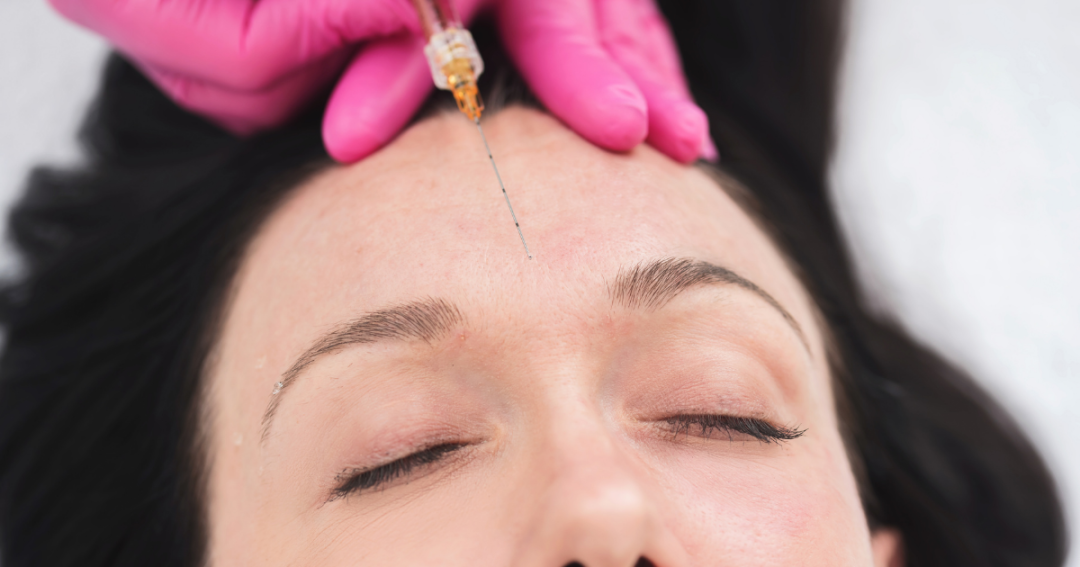
Cannulas have had a lot of buzz, but needles haven’t gone anywhere. For certain treatments, needles for injections remain the most precise and controllable option available, offering practitioners the accuracy needed for targeted aesthetic procedures.
Botox needles are typically 30g or 31g, fine enough to minimise discomfort while still allowing accurate placement into specific muscles. If you’re using botox syringes pre-filled or drawing up yourself, the needle gauge you attach makes a real difference to patient comfort and product control.
For anything superficial, such as mesotherapy, polynucleotides, and Profhilo, skin booster needles tend to be 30g to 32g. The depth is shallow, the volume is small, and precision matters.
Dermal needles used for techniques like microneedling or intradermal injection sit in a slightly different category. These are about controlled skin penetration rather than deep deposition.
And then there’s the lip filler needle. Some practitioners swear by cannulas for lips; others won’t touch lips without a needle. Both approaches are valid. Needles give you precision for vermillion border definition and Cupid’s bow work. Cannulas reduce bruising risk. Many experienced practitioners use both within the same lip treatment.
Cannula Technique, The Bit Nobody Talks About Enough
Cannula insertion is where a lot of practitioners quietly struggle. You need an entry point, usually created with a sharp needle first, and then the cannula is threaded through. Sounds straightforward. In practice, tissue resistance, incorrect angle, and lack of confidence can make it messy.
A few things that genuinely help:
- Create your entry point at the right angle for the direction you intend to travel.
- Use a cannula that’s at least one gauge wider than your entry needle.
- Move with intention. Small, tentative movements often cause more trauma than decisive, confident threading.
Aesthetic cannulas as a product category have improved significantly. Better flexibility, smoother hubs, clearer sizing. It’s worth buying quality here because you feel the difference.
Choosing Quality Aesthetic Needles Over Convenience
One thing that gets overlooked is that not all aesthetic needles are made equal. Wall thickness, sharpness, and lubrication all affect how a needle performs. A thin-walled needle of the same gauge will flow product better than a standard-walled one. Silicone coating affects glide. These details matter in practice.
Similarly, if you’re using a nasal cannula approach for rhinoplasty or nose filler, the specific product you choose, including gauge, length, and flexibility, can significantly affect your outcome and your confidence in the treatment room.
Stock matters. Having the right gauge, the right length, and enough of both means you’re never compromising technique because of what’s on the shelf. Browse our full range of cannulas and needles, built for aesthetic practitioners and chosen by clinicians who actually use them.
Shop Aesthetic Needles & Cannulas
FAQs
What’s the difference between a cannula and a needle in aesthetics?
A needle has a sharp, bevelled tip designed to puncture tissue. A cannula has a blunt tip and is designed to glide through tissue. Needles offer precision; cannulas reduce vascular risk and are useful for treating larger areas with a single entry point.
When should I use a cannula instead of a needle for filler?
Generally, cannulas are preferred in higher-risk vascular areas such as the temples, glabella, nose, and mid-face, or when you want to treat a broader area with less trauma and fewer entry points. Needles are often better for areas requiring very precise product placement.
What cannula size should I use for lip filler?
Most practitioners use a 25g cannula for lip filler if they prefer the cannula approach. It’s fine enough to reduce trauma but still manageable for most lip filler viscosities. That said, many practitioners use needles, often 27g, for lip work, particularly for border definition.
How do I reduce patient discomfort during cannula insertion?
Use topical anaesthetic where appropriate, ensure your entry point is clean and correctly angled, and use a cannula one gauge wider than your entry needle. Confident, smooth movement tends to cause less discomfort than hesitant technique.
Are there specific needles I should use for skin boosters and polynucleotides?
Yes. For skin boosters and polynucleotides, most practitioners use 30g to 32g needles. These products are typically injected at a shallow depth into the dermis or sub-dermis, so fine-gauge needles improve accuracy and patient comfort significantly.