
What Causes Body Acne
Sweat, too much oil production, and clogged pores can all cause body acne, which leads to breakouts. Hormonal changes and infections can also make skin red and irritated. Body acne can be mild for some people, but for others it can be a long-term problem that is affected by their skin type, habits, and overall lifestyle.
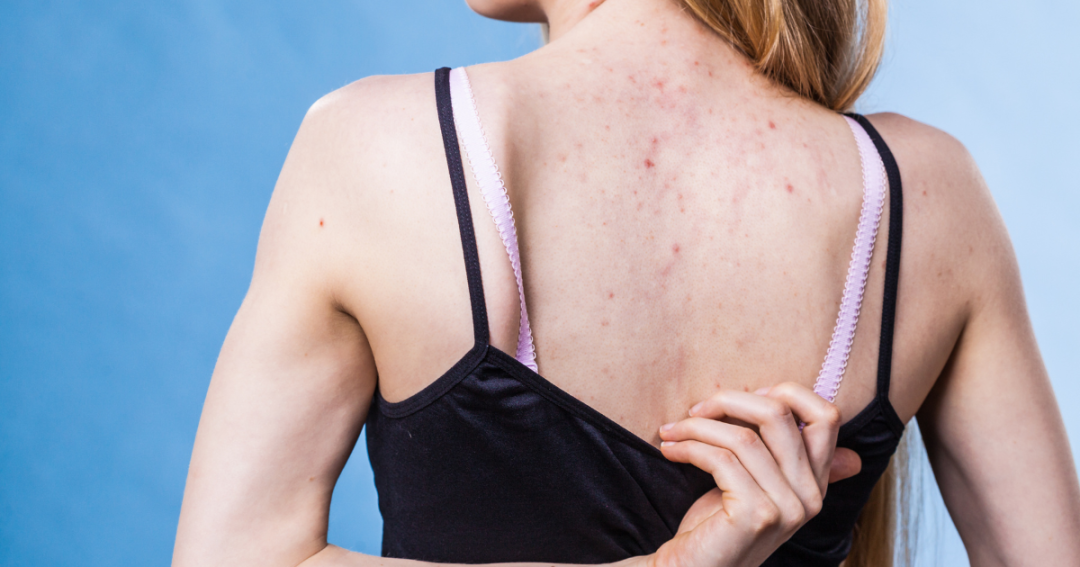
Common Types of Body Acne
Pimples, blackheads, whiteheads, and larger breakouts are the most common forms of body acne, each caused by pores becoming blocked with oil, sweat, or dead skin cells. While some blemishes are small and temporary, more persistent breakouts can leave behind visible scars if left untreated. Body acne often appears on sensitive or irritated skin, where friction, sweating, and inflammation make the condition harder to manage.
Effective Treatments for Body Acne
For mild cases of body acne, over-the-counter products like cleansers, exfoliants, and moisturisers can help get rid of excess oil and keep pores from getting clogged. If your breakouts are more severe, you might need to use topical treatments, get a prescription, or see a dermatologist to reduce inflammation and get your skin back to health. No matter what you do, you need to use gentle, non-comedogenic skin care products that won’t make sensitive or acne-prone skin worse.
Natural and Lifestyle Remedies
Maintaining good hygiene, taking regular showers, and wearing breathable clothing can help manage body acne. Adopting a healthy diet, staying well-hydrated, and keeping a balanced lifestyle may further support clearer skin. Seeking guidance from fitness trainers and nutritionists can also provide personalised advice for achieving and maintaining a healthy lifestyle.
How to Prevent Body Acne from Coming Back
You need to stick to a regular skincare routine to keep body acne under control and avoid it. If you wash your skin after sweating, lightly exfoliate, and use oil-control products on a regular basis, you can avoid breakouts. Remember, friction, excess sweat, and poor hygiene are common triggers for flare-ups, so addressing these factors proactively is essential for healthier, clearer skin.
When to See a Dermatologist
While good hygiene and preventive routines help many people manage body acne, severe cases often require medical treatment. Dermatologists can offer effective solutions, including prescription-only medicines and specialised treatments fit for your skin’s needs. Acne can affect confidence and self-esteem, making it important to seek professional help.