
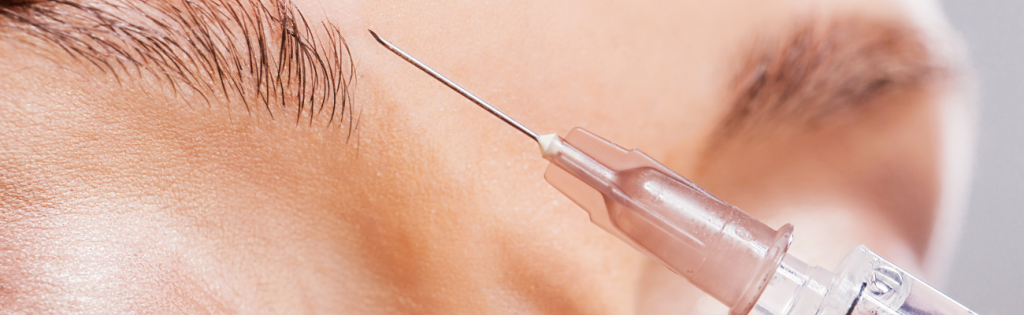
When deciding to undergo Botox treatment, ensuring your safety and fully understanding the procedure’s nuances becomes a top priority.
A Botox consent form plays a pivotal role in this process, serving as a detailed document that outlines the risks, responsibilities, and expectations of both you and your practitioner.
While disclosing your pregnancy and breastfeeding status is undoubtedly important, there are several other critical aspects to consider.
Your Medical History Matters
Your medical history can significantly impact the safety and effectiveness of your Botox treatment. Therefore, it’s essential to provide your practitioner with a thorough account of your medical background, including:
1. Allergies
Any known allergies, particularly those related to Botox or similar substances, should be disclosed. This information is essential for avoiding potential allergic reactions, which can have serious consequences. Botox works by temporarily paralysing muscles, and your practitioner needs to know about any allergies to ensure your treatment remains safe.
2. Medications
It’s crucial to list all the medications you’re currently taking, including prescription drugs, over-the-counter medications, and supplements. Some medications may interact with Botox, either reducing its effectiveness or causing adverse reactions. Being transparent about your medication use is vital for a safe experience.
3. Underlying Medical Conditions
Inform your practitioner about any pre-existing conditions, such as neurological disorders or muscle-related issues. Certain medical conditions could make Botox treatment unsuitable or require special considerations. Full disclosure ensures your practitioner can assess whether Botox is appropriate for you.
The Importance of Previous Treatments
If you have received Botox treatments in the past, it’s important to share details about when and where you had them.
This allows your practitioner to assess how you responded to previous treatments and make necessary adjustments to the current treatment plan. Discussing any issues or concerns from past experiences will help you and your practitioner achieve the best possible results.
Setting Expectations and Addressing Concerns
Open communication is essential for a successful Botox treatment. Discuss your expectations and any concerns you may have, including:
Desired Outcomes
Clearly communicate your goals for the Botox treatment, such as the specific areas you want to address and the results you’re hoping to achieve. This will help your practitioner plan and tailor the procedure to meet your needs.
Questions and Concerns
It’s crucial not to hesitate in asking questions. Make sure you address any concerns regarding the procedure, such as potential side effects, pain levels, or the recovery process.
Your practitioner should thoroughly explain what to expect and reassure you about any doubts you may have.

Understanding Potential Risks and Side Effects
Every medical procedure comes with potential risks and side effects, and Botox is no exception. By reviewing the Botox consent form, you should be made aware of:
Possible Risks
Common risks associated with Botox may include bruising, swelling, or temporary muscle weakness. These side effects are typically mild and resolve within a few days. However, your consent form should outline any potential risks specific to your individual treatment plan.
Side Effects
In addition to common side effects like mild discomfort or headaches, the consent form should also inform you about any rare but serious side effects. It’s important to understand these risks so you can make an informed decision about whether Botox treatment is right for you.
Post-Treatment Care
Aftercare is critical for ensuring the effectiveness of Botox and minimising side effects. Your consent form should provide clear instructions about what to do after the procedure.
This may include avoiding certain activities, using specific skincare routines, and knowing when to seek medical attention if needed.
Proper aftercare helps ensure that the treatment delivers the best possible results.
The Consent and Agreement
The final section of your Botox consent form involves your agreement to undergo the treatment. This section typically includes:
- Your Signature: By signing the form, you confirm that you understand the risks, side effects, and aftercare instructions provided, and that you consent to proceed with Botox treatment.
- Practitioner’s Details: The form should include the name, qualifications, and contact information of the practitioner administering the Botox, which ensures transparency and accountability. If you have follow-up questions or concerns, you can contact your practitioner easily.
Conclusion
A comprehensive Botox consent form is more than just a formality; it is a critical tool for ensuring the safety and success of your procedure. By openly sharing your medical history, previous treatments, expectations, concerns, and potential risks, you can collaborate effectively with your practitioner to make informed decisions and achieve your desired results. Open communication and transparency are essential for a successful Botox experience.
FAQs About Botox Consent Forms
1. Where can I find Botox consent forms?
You can easily find Botox consent forms and other consent forms on Faces, which offers customisable forms along with a free booking system that complies with the latest guidelines.
2. What information is typically included in a Botox consent form?
A Botox consent form usually includes sections on your medical history, allergies, medications, and any previous Botox treatments you’ve had. It also outlines potential risks, side effects, post-treatment care instructions, and practitioner details. This ensures that you have all the information needed to make an informed decision.
3. Can I download a Botox consent form UK PDF?
Yes, you can download a Botox consent form UK PDF from reputable websites like Faces Consent. These PDFs are tailored to comply with UK regulations and ensure both patient safety and practitioner accountability.
4. What happens if I don’t disclose my full medical history on the Botox consent form?
Failure to disclose your full medical history on the Botox consent form can lead to potential complications during treatment, including allergic reactions or unwanted side effects. It’s essential to provide accurate information to ensure your safety and the effectiveness of the treatment.
5. Are there any risks associated with Botox treatment?
Like any medical procedure, Botox carries potential risks. These include bruising, swelling, headaches, or in rare cases, more serious side effects like allergic reactions or drooping eyelids. Your Botox consent form will outline these risks, and your practitioner will ensure you understand them before you proceed.