
How Microblading Works
The Procedure Step by Step
A microblading appointment usually begins with a consultation, just like other aesthetic treatments. Your practitioner discusses your goals, assesses your natural eyebrows, and helps select the best pigment shade. Once the shape and color are agreed upon, numbing cream is applied to help you with the pain.
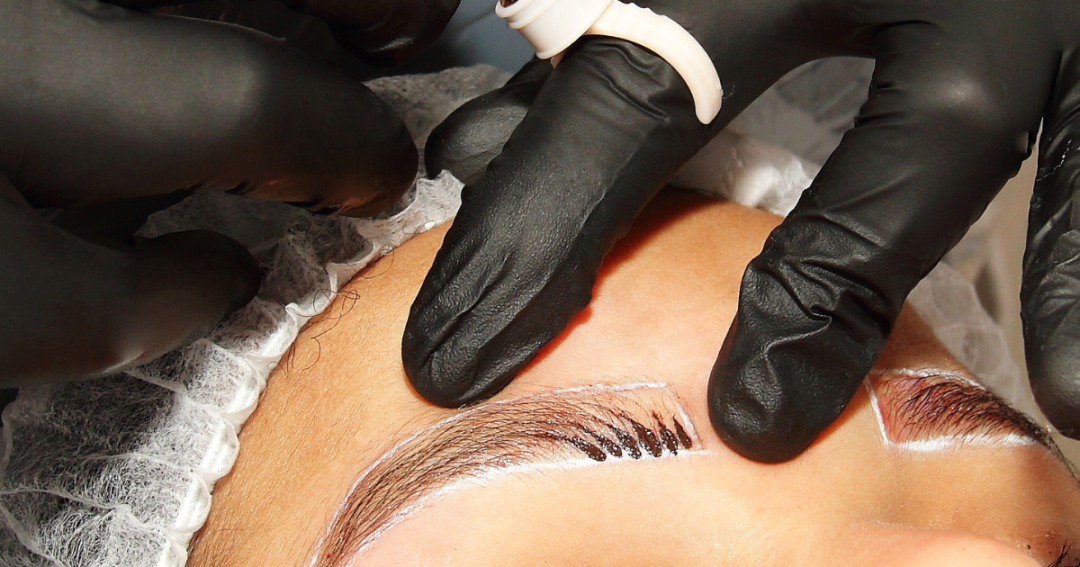
Using a fine and specific blade, your practitioner will create precise, hair-like strokes that resemble your natural eyebrow hairs.
Healing and Aftercare
After the procedure, the skin goes through natural healing. You may notice redness at first, followed by scabbing and gradual fading of the pigment. It will usually take 4-6 weeks to see the final results, once the brows are completely healed.
Aftercare is required for proper healing and good results. Clinics should provide aftercare instructions, such as avoiding excessive moisture and sweating in the first few days and applying the provided healing ointment as directed. Following this advice helps the pigment settle properly and ensures the shape and colour will remain as intended.
Benefits of Microblading
Microblading enhances your eyebrows by filling in thin or uneven areas, giving them a more defined and balanced look. The results appear soft and natural, unlike traditional eyebrow tattoos, which can sometimes look harsh or blocky.
Every treatment is tailored just for you. You get to choose the colour and shape that best suit your features, ensuring the final result complements your face perfectly.
For many people, the biggest benefit is convenience. With fuller, well-shaped brows, you can wake up looking polished without needing to apply makeup every day.
Considerations Before Getting Microblading
Safety and Risks
A common question is: Is microblading safe? When performed by trained professionals in a clean, licensed clinic, microblading is considered safe. Practitioners follow hygiene and safety standards to minimise risks.
However, as with any cosmetic procedure, there are possible side effects. These include infection if aftercare advice is not properly followed and allergic reaction to the pigment used.
People with certain skin conditions, those prone to keloid scarring, or women who are pregnant should avoid microblading. A consultation with a trained practitioner is always advised to determine suitability.
Who Microblading Is For
Microblading is ideal if you want thicker brows, better definition, or a beauty routine that saves you time. It’s especially appealing if you love makeup and want a polished look without reaching for brow products every day.
According to cosmetic tattoo artists and dermatologists, microblading is a safe, professional service that blends artistry with precision. Licensed clinics focus on personalisation, ensuring you leave with brows that suit your face, lifestyle, and individual style.