
Most people never ask about qualifications directly. You ask whether it is real Botox. You ask whether it will freeze your face, how long a Botox treatment lasts, and whether the same person will see you if an eyelid drops two weeks later. Somewhere in that list, occasionally, you might ask whether the aesthetic practitioner treating you is a nurse or a doctor. That question is closer to the mark than the others, and it still stops short of the one that matters: who prescribed the vial in front of you, and did they meet you before doing so.
What Botox qualifications UK law actually requires
Botulinum toxin is a prescription-only medicine under the Human Medicines Regulations 2012. Almost everything worth checking follows from that one fact.
Somebody has to prescribe it, and they have to see you
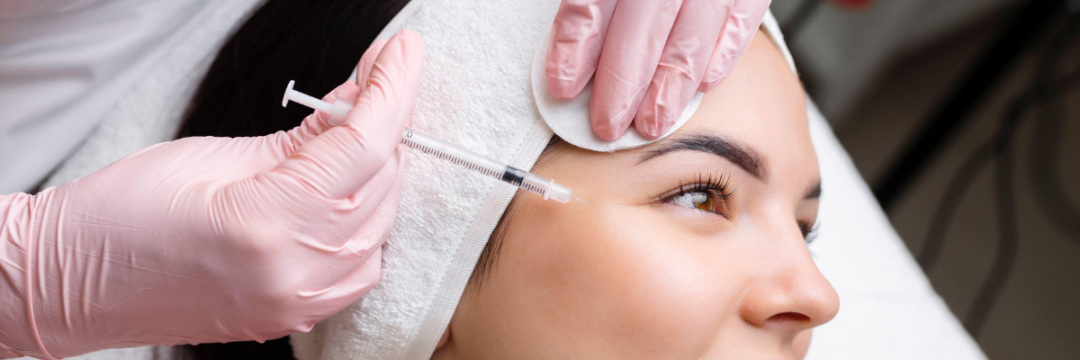
Only four types of professional can prescribe: a doctor with a current licence to practise, a dentist, a nurse or midwife independent prescriber, or a pharmacist independent prescriber. That prescriber has to assess you personally, in person, before writing the prescription. GMC guidance on prescribing injectable cosmetic medicines rules out prescribing over the phone, by video call, or at somebody else’s request, and the nursing and pharmacy regulators take the same line.ic
This is where a lot of clinics fall down quietly. If you are treated by someone who is not a prescriber, a prescriber must still have seen you first. A prescription signed remotely for a patient the prescriber has never met is a fitness to practise matter, and it means nobody with prescribing responsibility ever assessed whether the treatment was appropriate for you.
The injecting itself is barely regulated, for now
Nothing in current English law restricts who may perform the injection. That gap is what the licensing scheme under the Health and Care Act 2022 is meant to close. The Department of Health and Social Care set out its plans in August 2025 using a red, amber and green model based on risk, with botulinum toxin in the amber tier, which would need premises licensing plus oversight by a named healthcare professional. As of August 2026 none of it is in force, and a further consultation is expected first. If a clinic tells you it is already licensed under the new scheme, that scheme does not exist yet.
One rule that is in force: since 1 October 2021 it has been a criminal offence in England to give toxin or filler to anyone under 18 for cosmetic reasons, and an offence to book it for them.
The four registers you can search yourself
Each regulator publishes a free public register. Searching one takes under two minutes and tells you something a certificate cannot, because sanctions, conditions and suspensions appear there.
For doctors, search the GMC medical register and look for a current licence to practise, not just registration. A doctor without one cannot legally prescribe your treatment.
For nurses, search the NMC register for a nurse, which also shows any recorded prescribing qualification.
For dentists, search the GDC dental register by name or registration number.
For pharmacists, check the GPhC register of pharmacists, where independent prescriber status is annotated.
Ask for the full name and registration number. A practitioner who is registered will give you both without hesitation. Reluctance is itself an answer.
Botox qualifications for nurses: what an NMC number does and does not tell you
Finding your practitioner on the NMC register is good news, and it is narrower news than it sounds. It confirms she is a nurse in good standing. It does not confirm she can prescribe, and it says nothing about aesthetic training.
If she is not an independent prescriber, someone else must have prescribed for you. Ask who, and ask when they saw you. You may hear that the clinic works under a Patient Group Direction. In private cosmetic practice that is usually incorrect, because only certain bodies such as NHS organisations can authorise a PGD. The lawful route in a private clinic is a patient specific direction written by a prescriber who assessed you by name.
Registration also carries no information about scope. A nurse trained in forehead and frown lines is not automatically trained in jaw slimming, gummy smile or excessive sweating, and her insurance is written against the specific treatments she has declared.
Toxin qualifications NHS work does not automatically include
“She works in the NHS” is offered as reassurance constantly, and it is worth something. NHS clinicians bring injection technique, sterile practice and drug calculation experience that is genuinely hard to fake.
What NHS work does not cover is the cosmetic side: consent for a procedure you do not medically need, realistic expectation setting, and managing a complication without a hospital team nearby. NHS indemnity also does not follow a clinician into private practice. If your injector treats you privately, she needs separate medical malpractice insurance covering aesthetic work, and you are entitled to ask to see it.
Botox training for non medics UK allows, and what it does not
Beauty therapists and lay practitioners are not currently banned by law from injecting toxin in England. They are blocked from nearly everything around it.
A non-medic cannot prescribe, cannot legally hold stock in their own name, and cannot buy from a registered pharmacy without a prescriber connection. Most insurers will not cover them for toxin. Save Face will not accredit them. Under the proposed amber tier they would need a named healthcare professional overseeing them to carry on at all.
So if your injector is a beautician, the practical questions are: who prescribed, did that person see you, where did the product come from, and who handles a complication. Regulatory tightening is happening across the sector, as covered in the new UK rules on PDO threads and in the regulatory reality of glutathione injections.

Botox qualifications for beginners: what the certificate on the wall means
Foundation injectable courses in the UK typically run from around £650 plus VAT to roughly £1,100 including VAT, and last one or two days. A certificate from one tells you the person attended. It does not tell you how many patients they have treated since, or whether the course used live models rather than mannequins.
The things worth asking about are the ones a certificate does not show: how long they have been injecting, how many treatments they perform in a typical month, what happens if you get a droopy eyelid or a vascular complication, and whether they have access to a complications specialist.
Toxin qualifications for nurses and other clinicians beyond foundation level
The recognised advanced standard is the Level 7 Diploma or Qualification in Clinical Aesthetic Injectable Therapies, delivered through an Ofqual-regulated awarding body and referenced by the Joint Council for Cosmetic Practitioners. It is the qualification most likely to satisfy the licensing scheme when it arrives, so a practitioner who already holds it has planned ahead.
Two registers that have already done the checking
Save Face has been accredited by the Professional Standards Authority since 2016 and assesses clinics on site before listing them, with ongoing audits. The Joint Council for Cosmetic Practitioners register lists practitioners meeting its education standards and code of practice.
Neither replaces a statutory register search, and both add something those registers cannot: independent assessment of aesthetic practice, premises and complication handling. You can also compare verified practitioners near you through the Faces clinic directory.
Is it real Botox? How to tell
Botox is onabotulinumtoxinA. It works by blocking the chemical signal between nerve and muscle, which relaxes the treated muscle temporarily. In the UK it is licensed cosmetically for frown lines, crow’s feet and forehead lines in adults. Expect onset in three to seven days, full effect at around two weeks, and a return to baseline over three to four months.
Genuine product arrives in a sealed vial with a batch number, dispensed by a registered UK pharmacy against a prescription in your name. Clinics buy it in set sizes: Botox 50 Units for lower-volume practices, Botox 100 Units as the standard aesthetic vial, and Botox 200 Units mainly for higher-dose medical uses such as severe underarm sweating.
Two details are worth knowing. Units are brand-specific, so 20 units of Botox is not the same dose as 20 units of another toxin brand, and price comparisons based on unit counts across brands are meaningless. And you can ask to see the vial before it is drawn up. A practitioner sourcing legitimately will show you without fuss. Tell your practitioner about any neuromuscular condition, current infection near the treatment area, or pregnancy, since these affect whether treatment is appropriate.
The Consultation and Consent Forms You Should Be Given
A practitioner should send you a consent form before your appointment, or work through one with you at the start of it. This is where your medical history, current medications, allergies, previous aesthetic and beauty treatments and any neuromuscular conditions get recorded, because those details decide whether anti-wrinkle treatment is appropriate for you at all. A practitioner who books you in without asking any of it has skipped the assessment that the prescription depends on.
You should then be asked to sign a consent form before treatment begins, not afterwards and not as a formality once the needle is drawn up. It should name the product, the areas being treated, the risks specific to those areas including bruising, asymmetry and eyelid or brow drop, and who to contact if something develops later. Ask for a copy of what you signed. Practitioners using a platform like Faces run digital consent forms and can email your form straight away, with that record linked to your treatment notes and batch numbers.
If a practitioner cannot produce the consultation and consent forms you completed, they will struggle to evidence what you were told, which matters if you ever need to raise a complication.
FAQs
Can you train to do Botox without being a nurse?
Yes, training providers do accept non-medics, but completing a course does not make someone able to practise safely or legally source product. Without a healthcare registration they cannot prescribe, most insurers decline cover, and the proposed licensing scheme would require oversight by a named healthcare professional.
What qualifications do I need to do Botox and fillers UK?
No specific qualification is currently mandated in England to administer either. In practice the working standard is registration with the GMC, NMC, GDC or GPhC, plus accredited injectable training, with the Level 7 Diploma as the recognised benchmark.
How to become qualified to inject Botox?
Hold a current healthcare registration, complete accredited training covering facial anatomy, dosing and complication management, obtain aesthetic indemnity insurance, then either gain independent prescribing rights or work with a prescriber who assesses each patient in person.
What to ask at your next consultation?
Four questions cover most of it. What is your registration number and which register are you on. Who prescribed my treatment and when did they assess me. Can I see the vial and its batch number. Who do I contact, and how quickly, if something goes wrong afterwards. A practitioner who answers all four comfortably has almost certainly answered them many times before. When licensing eventually arrives, those are the same points inspectors will be checking, which makes them a reasonable standard to hold clinics to now.