
This is a sign that the skin barrier may still be recovering. SkinCeuticals Epidermal Repair is one option designed to support compromised skin after aesthetic treatments. Both products are often recommended by an aesthetic clinic following peels, microneedling, laser treatments or irritation from retinoids. However, they are not interchangeable. Choosing the right recovery product depends on understanding the skin barrier, how long it takes to recover, and what topical products can realistically do. Reputable clinics explain this before treatment through the consent forms and aftercare instructions clients receive, making post-treatment care part of the plan rather than an afterthought.

What Is Epidermal Repair and Why Does the Barrier Need Help?
The epidermis is the outermost layer of skin, and its top section, the stratum corneum, does most of the protective work. It is often described as a brick wall: flattened dead cells are the bricks, and a mix of ceramides, cholesterol and fatty acids forms the mortar between them. When that wall is intact, it holds water in and keeps irritants, allergens and microbes out.
Peels, microneedling, microdermabrasion and resurfacing lasers deliberately damage this wall in a controlled way, because the repair response is what produces smoother, brighter skin. Retinoids, over-exfoliation, cold wind and harsh cleansers do similar damage without the intention. In both cases, water escapes faster than normal, the skin feels tight, and products that were comfortable last week start to sting.
Epidermal repair is the process of rebuilding that wall. It describes something the skin does on its own. An epidermal repair cream does not regrow skin; it creates the conditions for the skin to rebuild efficiently, by drawing water in, slowing its loss and calming irritation while new cells and lipids are made.
How quickly this happens varies. Research published in the Journal of the Society of Cosmetic Chemists found that after a minor injury, water loss through the skin had largely returned to normal within about three days, because the skin forms a temporary barrier quickly. Age changes the picture: older skin takes noticeably longer to rebuild its barrier after disruption, and the full turnover of the stratum corneum stretches from around 20 days in younger adults to considerably longer later in life.
SkinCeuticals Epidermal Repair Ingredients and How They Work
SkinCeuticals Epidermal Repair is a fragrance-free, silicone-based cream sold in a 40ml tube. Reading the ingredient list in order explains how it feels and what it does.
Dimethicone sits second, straight after water. This silicone forms a thin, breathable film over the skin, which slows water loss and reduces friction on raw, flaking areas. It is the reason the cream feels silky rather than greasy.
Glycerin comes next. It is a humectant, meaning it pulls water into the upper layers of skin, and it is one of the best-studied ingredients for dry, compromised skin.
The two actives the brand highlights appear further down:
Titrated extract of Centella asiatica. Centella, also called gotu kola or cica, contains triterpenes such as asiaticoside and madecassoside. A 2024 review of topical Centella asiatica in wound healing describes these compounds supporting collagen production, calming inflammation and providing antioxidant protection. “Titrated” means the extract is standardised to a known level of these compounds rather than being a variable plant extract.
Sodium carboxymethyl beta-glucan. Beta-glucan is a sugar-based molecule that holds water on the skin surface and is associated with renewal of the upper layers of the epidermis.
Sodium palmitoyl proline and white water lily (Nymphaea alba) extract are included to reduce the uncomfortable, prickly feeling that compromised skin often has.
The clinical evidence for centella after procedures is encouraging but specific. A split-face study of 34 patients after fractional CO2 laser found the centella-treated side held more moisture at one and four hours and showed less post-inflammatory hyperpigmentation at six weeks than the side treated with water. A placebo-controlled split-face trial after Er:YAG laser resurfacing tested a standardised centella gel in 30 people with acne scarring. Both studies tested centella extracts, not this finished cream, so they support the ingredient choice rather than proving the product. The redness-reduction claims on the box come from the manufacturer’s own testing.
Who SkinCeuticals Epidermal Repair Cream Is For
The cream was designed for skin that has been temporarily weakened, and it suits these situations best:
After light to medium chemical peels, microdermabrasion and IPL, where the brand says it can be applied immediately.
After laser resurfacing, but only once the treating practitioner says so. Ablative laser leaves skin raw, and the first days usually need a different, heavier aftercare protocol.
After microneedling, once the practitioner confirms the treated channels have closed, usually after the first 24 to 48 hours.
During the adjustment phase of a retinoid, when dryness and flaking appear in the first few weeks. Anyone starting a retinoid will find the timing advice in how to use retinol for the first time useful alongside this.
For everyday sensitive, dry or redness-prone skin, as a calming moisturiser on days when the skin feels reactive.
It is less suited to anyone with a known reaction to any ingredient on the list, and to people expecting it to treat a separate condition such as acne, melasma or rosacea flares, which need a diagnosis and a targeted plan.
Common Mistakes With Post-Procedure Creams
The most frequent mistake is treating the cream as a licence to restart active products early. A soothing cream on top of a retinoid or glycolic acid used two days after a peel is still a retinoid or acid on broken skin. Actives usually stay paused until the practitioner says otherwise, often seven to fourteen days depending on the treatment depth.
The second mistake is using too much. A thick layer on healing skin can trap heat and feel suffocating; a thin layer reapplied when the skin feels tight works better.
The third is skipping sun protection. New skin is especially prone to pigmentation, and no repair product replaces a broad-spectrum SPF.
How to Use SkinCeuticals Epidermal Repair After a Treatment
For epidermal repair, SkinCeuticals advises applying a small amount once daily or as needed. In practice, many clinics suggest twice daily for the first week after a peel. A simple routine looks like this:
Cleanse with a gentle, non-foaming cleanser and lukewarm water. Hot water strips lipids the barrier is trying to rebuild.
Pat the skin dry with a clean towel. Rubbing lifts flaking skin before it is ready to shed, which can leave pink, sensitive patches.
Warm a pea-sized amount between clean fingertips and press it over the face in a thin, even layer, massaging very lightly for a few seconds.
Reapply during the day whenever the skin feels tight.
In the morning, finish with a broad-spectrum sunscreen. The guide to choosing SPF by skin type and concern explains which filters tend to suit post-treatment skin.
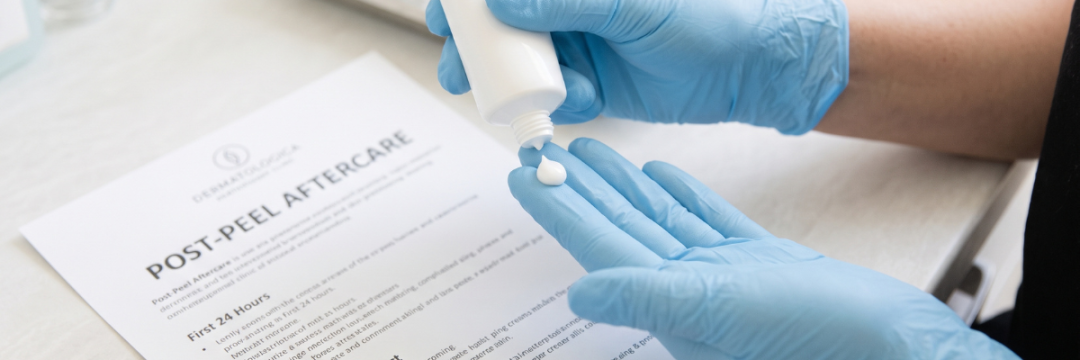
The cream should be listed on the clinic’s written aftercare so the client knows when to start it, how long to use it, and when to bring other products back in.
Osmosis Rescue Epidermal Repair Serum: How It Differs
Osmosis Rescue Epidermal Repair Serum is a lightweight gel serum rather than a cream, and it works on a different principle. Its key ingredient is trioxolane, also listed as ozonised ethyl oleate, which the brand describes as an anti-inflammatory that activates the skin’s healing response. Hydroxypropyl cyclodextrin, a ring-shaped molecule used to carry and stabilise actives, and glycerin make up most of the rest. The formula has been updated over time, and newer versions add madecassoside (one of the centella compounds above), schisandra fruit extract, guava extract and a marine ferment. Some retailers list it as Osmosis Skincare Epidermal Repair Serum or under a newer “MD” name, so checking the ingredient list on the box is the reliable way to know which version is in hand.
Osmosis positions the serum for redness, irritation, blemishes and uneven tone, particularly in acne-prone and rosacea-prone skin, and suggests it on the body to calm shaving and waxing rash. The usual direction is one to two pumps on clean skin morning and evening, followed by a moisturiser and, in the morning, sunscreen.
Two points matter for anyone choosing between the two. First, the serum is not a barrier cream; it needs a moisturiser over it, especially on post-procedure skin. Second, the published independent evidence for trioxolane is thin compared with centella, so most of the benefits described come from the brand itself.
Can the Serum and Cream Be Used Together?
They can be layered, serum first and cream second, and some people use the Osmosis serum for ongoing redness with the SkinCeuticals cream during recovery weeks. Straight after a procedure, though, fewer products is safer. Each new product is another chance of a reaction on skin that cannot defend itself well, so it is worth asking the practitioner before adding a second step.
SkinCeuticals Epidermal Repair Reviews: What Results to Expect
Online reviews are anecdotal and mix skin types, procedures and expectations, but some patterns hold. The most consistent praise is for comfort: less tightness and stinging within the first day or two, and redness settling faster. The most consistent complaint is price, at roughly £80 to £85 for 40ml from UK retailers. Reviews also appear under spelling variants such as skinceutical’s epidermal repair, which is worth knowing when searching for opinions.
A realistic timeline helps set expectations:
Days one to three: the main difference is comfort. Skin feels less tight and stings less.
Days three to seven: after a light peel, flaking usually finishes in this window. Medium and deeper peels can blister and peel for one to two weeks.
Weeks two to four: the barrier is close to normal for most people, though older skin and deeper treatments take longer.
What the cream will not do is shorten a deep peel’s downtime dramatically, fade pigmentation or replace sunscreen. Its job is to make healing more comfortable and to reduce the chance of irritation knocking recovery off course.
Epidermal Repair Wound Care: Where a Cream Stops
A peel or laser session creates a controlled wound, and most heal without trouble. An open, weeping or infected wound is a different situation, and cosmetic creams are not wound treatments.
After deep peels and ablative laser, skin can be raw and may ooze clear fluid for several days. Practitioners usually prescribe a specific protocol for this stage, often a plain occlusive ointment, before a cream like SkinCeuticals Epidermal Repair is introduced.
Any of the following warrants contacting the clinic promptly, or NHS 111 out of hours:
- Pain that increases after the second or third day rather than easing.
- Yellow crusting, pus or a bad smell.
- Redness and heat spreading beyond the treated area, or a fever.
- Clusters of small blisters, which can mean a cold sore reactivation triggered by the treatment.
Clients booked through Faces can message their practitioner directly from the client portal, which makes it easier to send a photo and get advice early rather than waiting for a review appointment.
Choosing the Best Epidermal Repair Cream for the Situation
There is no single best product; the right choice depends on what the skin has been through. After a procedure, a cream that combines a humectant (glycerin), something to slow water loss (silicones, squalane or petrolatum) and a soothing active (centella, beta-glucan or panthenol) covers the essentials. For ongoing redness or blemish-prone skin without a recent procedure, a serum such as Osmosis Rescue Epidermal Repair Serum under a plain moisturiser may suit better.
Whatever the product, these features make it safer on compromised skin: no added fragrance, no exfoliating acids, no retinoids, a short ingredient list and a tube or pump rather than an open jar.
Is There an Epidermal Repair SkinCeuticals Dupe?
No product copies the formula exactly, because the concentrations and the standardised centella extract are proprietary. Plenty of cheaper “cica” creams share the headline ingredients, but there is no way to tell from the label whether the centella content is comparable. A product with a similar profile, meaning a silicone and glycerin base with centella or madecassoside and no fragrance, can work well for everyday sensitivity. After a peel or laser treatment, the practitioner’s recommendation should take priority, since they know the depth of the treatment and how the client’s skin has reacted before.
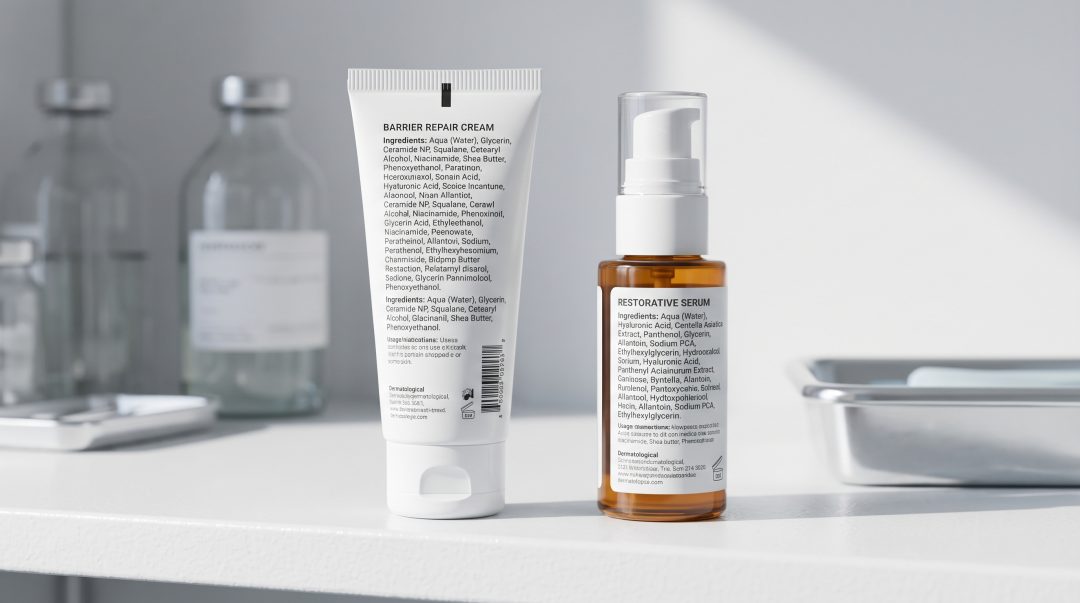
The most useful step happens before the appointment. Ask the clinic which repair product it recommends for the first week, buy it in advance, and pause actives on the date the practitioner gives. Skin that goes into a treatment with a healthy barrier and a clear recovery plan heals faster, and the result of the treatment is easier to judge.
FAQs
What is epidermal repair?
Epidermal repair is the skin’s process of rebuilding its outer protective layer after damage from treatments, retinoids, harsh products or weather. Repair creams support it by attracting water, slowing water loss and calming irritation while the skin rebuilds its own lipids and cells.
What is the fastest way to repair my skin barrier?
Stop whatever caused the damage first, usually exfoliating acids, retinoids, scrubs or hot water, and switch to a gentle cleanser, a fragrance-free barrier moisturiser and daily SPF. Minor barrier damage often settles within a few days with this approach; damage from a peel or laser follows the timeline the practitioner gives.
How to use SkinCeuticals for epidermal repair?
Apply a small amount of SkinCeuticals Epidermal Repair to clean skin once daily or as needed, pressing it on in a thin layer and reapplying when skin feels tight. After light peels, microdermabrasion and IPL it can be used straight away; after laser resurfacing, start it only when the practitioner advises.
Is SkinCeuticals Epidermal Repair a moisturiser?
Yes. It is a therapeutic moisturiser, combining glycerin to draw water in with silicones that slow water loss, plus centella and beta-glucan to soothe. It is designed to replace a usual moisturiser during recovery rather than sit on top of one.
What is the best skin repair cream?
The best skin repair cream is one matched to the situation: after a procedure, a fragrance-free cream with a humectant, an occlusive and a soothing active, recommended by the treating practitioner. For everyday sensitivity, the same principles apply, and price matters less than a short, gentle ingredient list.
How long does skin need to repair?
A minor barrier disruption usually recovers within about three to seven days. Light peels typically finish flaking within a week, medium and deep peels can take one to two weeks to resurface, and complete renewal of the outer layer takes around three to four weeks, longer in older skin.
Planning a peel, microneedling or laser treatment? Find a clinic on Faces, and at the consultation ask whether SkinCeuticals Epidermal Repair or Osmosis Rescue Epidermal Repair Serum suits your skin, so the right product is on your aftercare plan and in your bathroom before treatment day.