
Understanding Face Serums
A face serum is a light skincare product that has many active ingredients in it. Serums are different from moisturisers because they are meant to give specific benefits instead of just sealing in moisture.
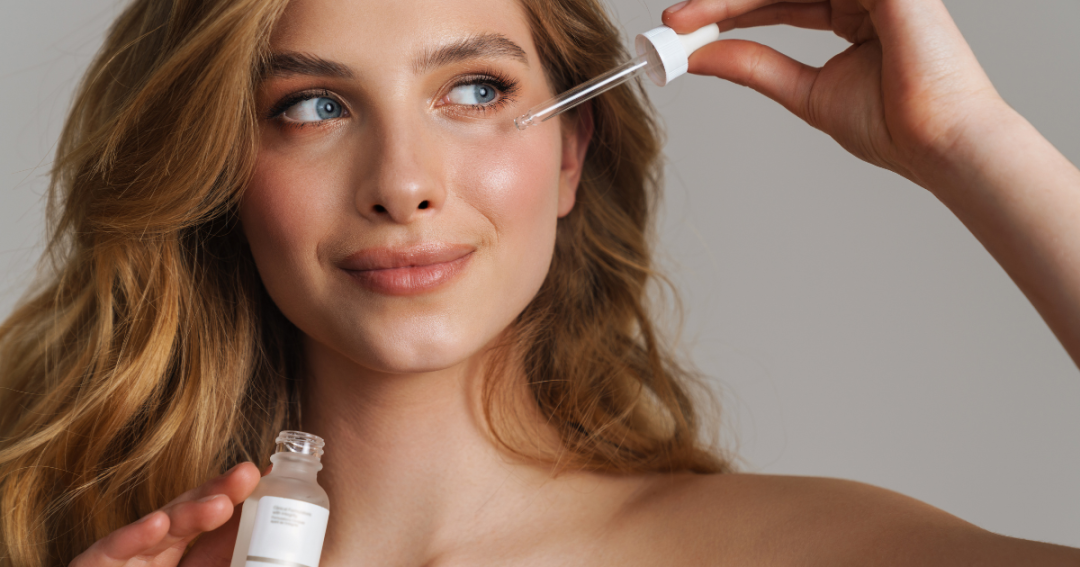
Serum hydrates the skin and penetrates more deeply than a regular moisturiser. Because of this, it works more effectively on concerns like fine lines, dullness, and uneven skin tone.
How Serums Work
Serums are made with smaller molecules, allowing them to absorb quickly and deliver nutrients deep into the skin.
For example, vitamin C serum makes skin look brighter, and hyaluronic acid serum fills in fine lines.
Serums work at a deeper level than moisturisers, which makes a skincare routine work better overall.
Benefits of Using Serums
Serums offer multiple benefits: hydration, anti-ageing properties, and skin-brightening effects. Visible results include smoother texture, fewer fine lines, and a more even tone.
Targeted Skin Concerns
Different serums are formulated to treat specific issues such as acne, wrinkles, dark spots, and dehydration. Serum hydrates the skin, while moisturisers lock in its benefits.
Using the right serum with other skincare products can help you achieve better results.
Anti-Ageing and Brightening Effects
Serums make skin more elastic, increase collagen production, and bring dull skin back to life. Over time, these effects make the skin look brighter, firmer, and younger.
The long-term benefits become more noticeable with regular use, and you may even see improvements after a few weeks of using it every day.
Choosing the Right Serum
Your skin type, concerns, and budget will determine which serum is best for you. Consider the active ingredients, their compatibility with your skin, and your skin’s sensitivity before deciding.
People often ask, “Which serum is best for fine lines and wrinkles?” Retinol and peptides are often recommended for anti-aging, while hyaluronic acid is excellent for keeping skin moist.
Key Ingredients in Serums
- Vitamin C: makes skin brighter and protects it from free radicals
- Hyaluronic Acid: Deep hydration and a plumping effect
- Niacinamide helps even out skin tone and cuts down on dark spots.
- Retinol: makes collagen stronger, smooths out wrinkles, and fights aging.
It’s easy to customise your routine because each ingredient targets a different problem.
How to Use Serums in a Routine
The right order to use these products is cleanser, serum, moisturiser, and sunscreen.
Serums work best when you put them on top of moisturisers and sunscreen to lock in the benefits and protect your skin.
People often ask, “Should I use serum every day?” Yes, you can use most serums once or twice a day, depending on the formula. After using it regularly for 4 to 6 weeks, you should see visible changes.
Application Tips and Frequency
Put on a few drops (about the size of a pea) after washing your face and before putting on moisturiser. Instead of rubbing the serum in, gently pat it into the skin.
Most serums are safe to use every day, but using too much or the wrong kind for your skin type can cause irritation. Before fully using a new product, always patch-test it first.
Safety, Effectiveness, and Expectations
Some people are concerned that serums might cause irritation or breakouts. Yes, irritation or breakouts can occur, but this typically happens only if an inappropriate formula or concentration is used. Picking products that are suitable for your skin type lowers these risks.
Results depend on several things, such as how often you use it, how strong the active ingredients are, and your skin type.
Dermatologists and skincare experts agree that serums are effective, targeted, and customisable treatments that can make a skincare routine much better if used correctly.