
What Is Vitamin C?
Vitamin C is a necessary nutrient that our bodies cannot make on their own, so we have to obtain it from food. Many fruits and vegetables, especially citrus fruits, berries, peppers, and leafy greens, are rich sources. Vitamin C is a strong antioxidant that protects our cells from damage and helps keep the body healthy. It also supports general health.
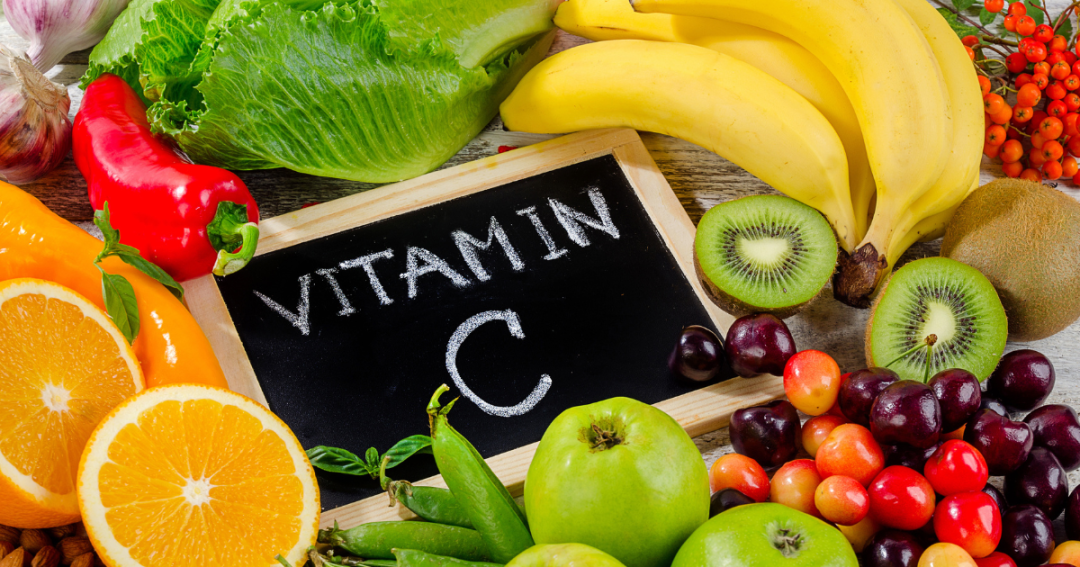
Key Functions of Vitamin C in the Body
Vitamin C helps the immune system work better, making the body less prone to infections. It also works as an antioxidant, protecting our cells from damage caused by free radicals that build up in our bodies from stress and everyday activities.
Vitamin C is also important for making collagen, the protein that keeps our skin, joints, bones, and blood vessels strong and healthy. This is why it is essential for healing wounds and tissue repair. Vitamin C also helps the body absorb iron from plant-based foods. Iron is important for making healthy blood and helps prevent tiredness caused by low iron levels.
Vitamin C and the Immune System
Vitamin C helps your immune system stay strong by supporting the cells that fight infections and protecting them from damage. It will not completely stop you from getting a cold, but it can make the symptoms less severe and shorten how long the cold lasts. Doctors and nutritionists often say that getting enough vitamin C from food is a simple way to support your immune system.
Vitamin C for Skin and Healing
Vitamin C is important for making collagen, the protein that keeps your skin firm and helps wounds heal. Dermatologists often say that vitamin C is beneficial for your skin because it makes it look healthier and fresher. It also helps you heal faster after cuts, scrapes, and other injuries by supporting your body’s natural repair processes.
Sources of Vitamin C
You can easily get vitamin C from everyday foods. Oranges, lemons, and grapefruits are all good sources. So are strawberries, blueberries, peppers, and leafy greens like spinach and kale. It is easy to keep your vitamin C levels up by adding a mix of these to your meals.
Vitamin C also helps your body absorb iron more effectively, especially from plant-based foods like beans, lentils, and spinach. Eating these foods together can help your iron levels stay healthy.
Vitamin C is also available in tablets, powders, and gummies, which makes it easy to fit into your daily routine if you cannot get enough from food alone.
How Much Vitamin C Do You Need?
In the UK, adults are advised to get about 40 mg of vitamin C each day. That is a small amount, and most people can easily reach it with a healthy diet; for example, eating an orange or a handful of berries is often enough.
Because vitamin C is water-soluble, your body gets rid of what it does not need. But taking very high doses from supplements (over 1,000 mg a day) can upset your stomach and cause diarrhoea. Most people do well just by eating plenty of fruit and vegetables, while supplements can be useful if your diet is lacking or if you need a little extra support.
Deficiency and Excess of Vitamin C
When your body does not get enough vitamin C, you may feel more tired than usual, notice that cuts and bruises take longer to heal, or find yourself getting sick more often. In very rare cases, a severe lack of vitamin C can lead to scurvy, which causes bleeding gums, sore joints, and extreme fatigue.
Having too much vitamin C is usually only a problem if you take very high doses of supplements. This can lead to stomach discomfort or diarrhoea. For most people, a balanced diet or a sensible supplement is more than enough to keep vitamin C levels healthy and safe.