
Understanding Lip Fillers and Pregnancy
Lip fillers, also known as dermal fillers, are usually made with hyaluronic acid that adds volume and shape to the lips. They are classified as a cosmetic procedure and are not a medical necessity.
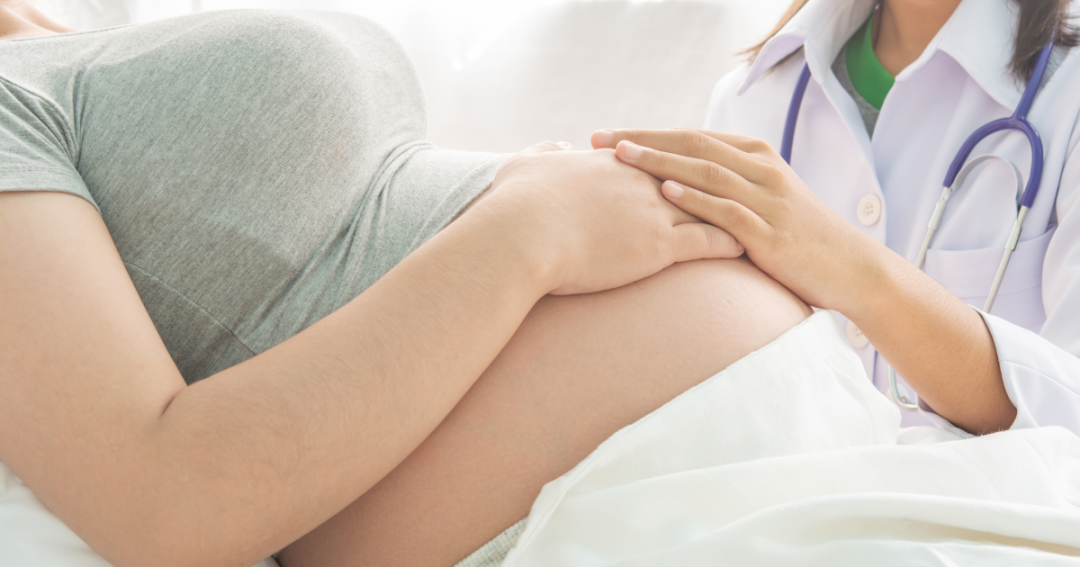
During pregnancy, the body reacts differently due to hormonal changes, which can increase swelling, sensitivity, and other risks. This is one of the reasons why fillers are not recommended while expecting.
What Lip Fillers Contain
Hyaluronic acid is the main ingredient in dermal fillers. It is a substance naturally produced by our bodies to keep skin plump and hydrated, which makes it ideal for cosmetic use.
Like any other treatments that require injections, fillers can cause side effects such as minor bruising, swelling, or, in rare cases, allergic reactions. Normally these side effects are manageable, but during pregnancy the body is more sensitive and responses can be less predictable.
Safety Concerns of Lip Fillers During Pregnancy
Medical guidelines are clear: lip fillers should be avoided during pregnancy. Pregnancy can make the body more sensitive, increasing the risk of allergic reactions, swelling, and bruising.
The effects of fillers on a developing baby are still uncertain, as there have not been enough studies to confirm their safety. To minimise any potential risk, the safest choice is to wait until after pregnancy, protecting both mother and child.
Why Doctors Advise Against It
Medical professionals advise pregnant women to avoid lip fillers, as pregnancy may increase the risk of allergic reactions or slow down the body’s natural healing. To reduce risks and complications, most clinics and practitioners refuse to provide this treatment during pregnancy.
Risks and Ethical Considerations
Lip fillers are not medically required, which makes delaying them the safest option. Aesthetic practitioners also have an ethical duty to prioritise health and overall wellbeing. Restrictions around dermal fillers in pregnancy and other cosmetic procedures are designed to protect both mother and baby.
Common Questions Pregnant Women Have
“Why Can’t I Get Lip Fillers While Pregnant?”
Lip fillers are not suggested during pregnancy because of the risks, lack of research, and clear medical guidelines. Safety cannot be guaranteed for either the mother or the baby, so it should always come before cosmetic treatments.
Timing and Post-Pregnancy Considerations
Most medical professionals advise waiting until after giving birth and, if possible, until you have finished breastfeeding before getting fillers again. It is important to talk to both your GP and an aesthetic practitioner, as every woman’s circumstances are different. Delaying treatment is the best way to keep both mother and baby safe.
Alternatives to Lip Fillers During Pregnancy
If you are pregnant and want to enhance the look of your lips, you can try pregnancy-safe options such as lip plumping glosses, liners, or simple makeup tricks. Fillers only last for a limited time, so the results can wait. Cosmetic treatments will still be available once pregnancy and breastfeeding have safely passed.
Conclusion
Lip fillers can safely and effectively enhance your appearance, but pregnancy is not the right time to have them. Fillers are risky at this stage because of hormonal changes, increased sensitivity, and the unknown effects they may have on a developing baby. The best option is to wait until after pregnancy and breastfeeding, when your body is stable and practitioners can provide treatment with confidence.