
Wound care doesn’t get talked about enough in aesthetics. Hours get spent discussing cannula technique, filler placement, and skin prep, but the moment something unexpected happens post-procedure, that’s when you really find out whether your clinic is actually prepared.
Treatment rooms stocked with the bare minimum are more common than they should be. A few plasters, some cotton wool, and a bottle of something that’s been sitting in the drawer since the clinic opened is not a first aid kit. That’s a liability.
Let’s talk about what you actually need, and why it matters more than most practitioners think.
The Basics Everyone Thinks They Have (But Often Don’t)
Most clinics have something for wound management. The problem is that “something” tends to be incomplete, out of date, or not suited to the procedures being carried out.
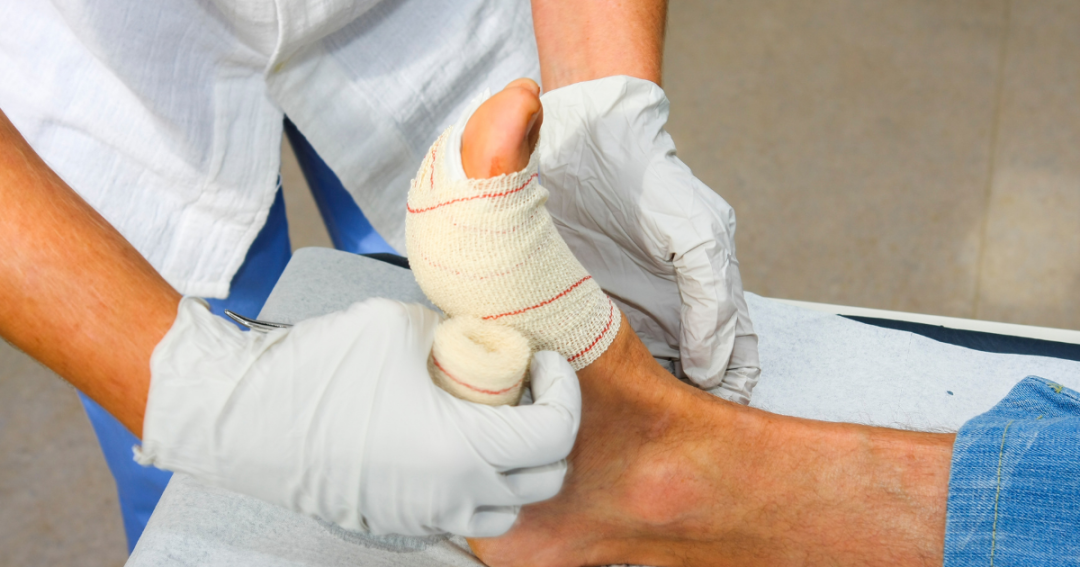
Start with your dressing kits. These are the foundation of any proper post-procedure response. Whether you’re dealing with a minor graze from a cannula entry point, a bruise that’s broken the skin, or an unexpected bleed, you need dressings that are individually wrapped, sterile, and in date. Expiry dates on dressings get overlooked constantly, and it’s not something you want to discover mid-incident.
Make sure your trays and dishes are also set up and ready. Having a clean, organised surface to work from when managing a wound is basic clinical hygiene. A dedicated tray keeps your materials organised and reduces the risk of contamination when you’re working quickly under pressure.
Adhesives and Tapes
A good selection of adhesives including wound closure strips, skin-friendly adhesive dressings, and surgical-grade glue where appropriate is genuinely essential in an aesthetic setting. If you’re performing anything invasive, even minimally, having these on hand is good practice.
Tapes do a quiet but important job, securing dressings, supporting wound edges, and keeping everything in place between appointments. Not every patient will tolerate the same materials, so having hypoallergenic options available matters. Sensitive skin post-treatment is common, and a reaction to the tape on top of whatever you’re already managing is the last thing you need. Have adhesive remover in your kit too, particularly for post-treatment facial skin where removal needs to be clean and careful.
Antiseptics
Antiseptics like chlorhexidine gluconate solution are the workhorse of clinic wound care. Broad-spectrum, good residual activity, generally well-tolerated. Know when and how to use it though, because concentration matters and too strong on sensitive skin can cause more problems than it solves.
Sterile saline for wound irrigation is often the most appropriate first step before reaching for any antiseptic. It’s far more effective at clearing debris and reducing bacterial load than dabbing with gauze, and it’s a low-cost addition that makes a genuine difference to wound management outcomes.
Instruments
Forceps and Scissors
A pair of sterile forceps is non-negotiable. Handling dressings, removing debris, and managing wound edges without contaminating the site requires them. Keep a dedicated pair in your wound care setup, separate from your procedure instruments.
Clinical scissors, sterile and sharp, get used more often than expected. Cutting dressings to size, trimming tape, snipping sutures during post-surgical wound checks. Label them, keep them in your kit, and don’t let them wander.
Suture Removal Packs
If your clinic carries out procedures involving sutures or you see patients post-operatively, suture removal packs should be a standard item. Pre-packed and sterile, they save time and remove the risk of improvising with kit that isn’t fit for purpose.
The Items That Complete Your Kit
Ice packs are one of the most-reached-for items in any aesthetic clinic. For managing acute swelling, bruising, or minor trauma immediately post-procedure, cold therapy is a simple and effective first response. Stock both instant-activation packs for emergencies and reusable gel packs for routine use.
One Final Thought
Wound care readiness isn’t about expecting things to go wrong. It’s about being the kind of practitioner who handles it without panic when they do. Patients notice that. A calm, prepared response to even a minor complication builds more trust than a perfect treatment ever could.
Review your kit this week. Chances are there’s at least one gap you hadn’t thought about.
Shop on Faces Now!
Browse our full range of clinic-grade wound care essentials, from dressing kits and antiseptics to forceps, suture removal packs, and everything in between. Shop now and make sure your treatment room is properly equipped.
FAQs
What antiseptic is best for post-aesthetic procedure wound care? Chlorhexidine gluconate is the preferred option in most clinical settings due to its broad-spectrum efficacy and residual antimicrobial activity. Sterile saline is recommended as a first-line wound irrigant before applying any antiseptic. Always follow current clinical guidelines and factor in individual patient sensitivities.
Do I need a dedicated first aid kit separate from my treatment consumables? Yes, and this distinction matters more than people realise. Your treatment consumables are for planned procedures. Your first aid kit is for unexpected events. They should be separate, clearly labelled, and compliant with your local regulatory requirements for clinical settings. Your procedure trolley is not a substitute.
How often should I check and restock my clinic’s dressing kit? Monthly checks are the minimum. After any incident where the kit is used, restock immediately rather than waiting for your next scheduled order. Assign a named person in your clinic to own this responsibility. If no one owns it, it won’t get done consistently.
When should I use forceps instead of gloved hands during wound care? Whenever precision matters and you want to avoid contaminating a wound site. Forceps give better control when placing dressings, removing debris, or handling wound edges, particularly in a facial aesthetic context where the margin for error is small.
What’s the difference between instant and reusable ice packs, and which should a clinic stock? Both have a place. Instant activation packs are ready immediately without a freezer, making them ideal for emergencies. Reusable gel packs are better suited to routine post-procedure cooling. Ideally, stock both.