
Understanding the Rise of Illegal Botox
In recent years there has been growing awareness of the problem of illegal Botox, procedures using botulinum toxin that fall outside regulated, licensed practice. Illegal Botox differs from regulated procedures because it often involves unverified supply chains, non-medical settings, and practitioners without proper qualifications.
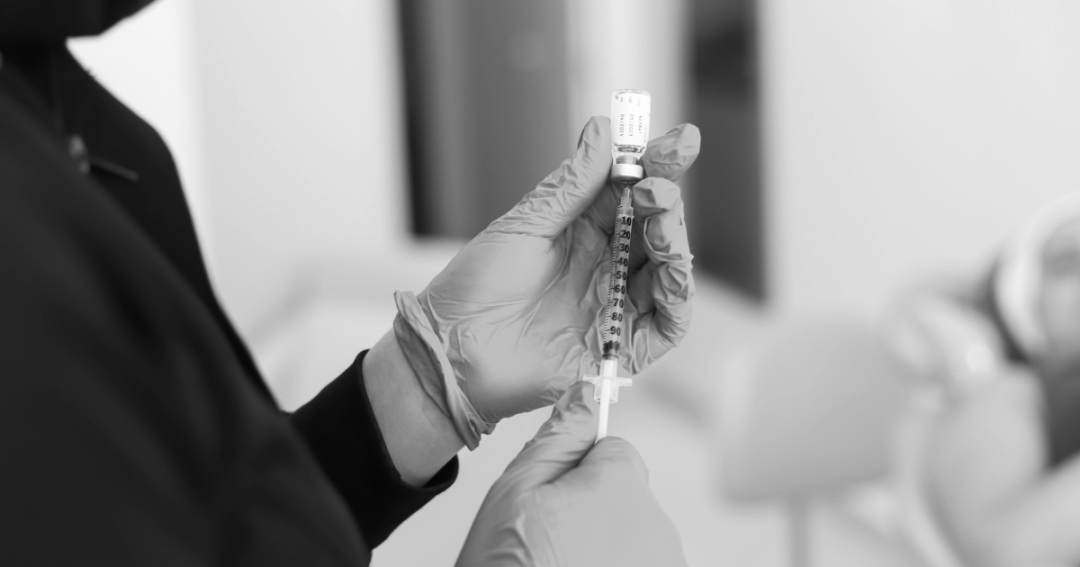
Botulinum toxin and dermal filler products are frequently counterfeited or misused. Some counterfeit vials claim to be legitimate brands but contain adulterated substances, diluted toxins, or entirely different agents. In other cases, untrained injectors may use unapproved formulas or unsafe techniques.
The motivations behind black-market Botox are clear: lower cost, secrecy, and the absence of oversight. Many clients are drawn to the promise of cheaper treatments, while some providers exploit this demand to cut corners and evade regulation.
A recent BBC investigation illustrated how far this illicit trade has spread. Undercover researchers posing as beauticians filmed a nurse selling prescriptions via WhatsApp, a pharmacist advising clients on how to falsify records, and an unqualified provider handing over unregulated toxin vials for cash. The findings exposed how easily counterfeit and unsafe products can enter the cosmetic market when regulation is ignored.
The Dangers of Counterfeit Botox Products
Counterfeit Botox vials may contain dangerous or contaminated substances, lacking sterility or containing unknown additives. The health risks are severe: infection, paralysis, scarring, allergic reaction, and in the worst cases, botulism or respiratory failure.
Because counterfeit bottles are not regulated, their contents may be toxic or unstable. The lack of quality control means that what is injected may harm tissues or fail to produce the desired effect, leaving patients at risk.
How to Spot Fake or Unsafe Botox
Here are warning signs of counterfeit or unsafe Botox:
- Missing batch numbers, expiration dates, or lot codes
- Improper or incorrect labelling, spelling errors, or poor packaging quality
- Prices that are far lower than market norms
Patients should verify the supplier’s credentials and check that the clinic is legally licensed. Sterile technique, formal informed consent, and aftercare protocols are key indicators of safety.
The Threat of Unlicensed Botox Providers
Unlicensed practitioners are individuals who administer Botox outside the boundaries of medical law, often without the necessary qualifications or clinical oversight. These injectors operate illegally and place patients at significant risk of harm. Many work from homes, beauty salons, or other non-medical settings, offering treatments without consent forms, sterile equipment, or appropriate aftercare. As a result, patients frequently suffer complications from unregulated and unsafe procedures.
How to Identify an Unlicensed Injector
Red flags include treatments offered in non-clinical settings, such as living rooms or salons. Always ask to see visible credentials, registration numbers, or certifications. A legitimate injector should conduct a medical consultation, explain risks and alternatives, and ask for informed consent.
Legal Consequences and Enforcement
Laws regulating Botox use and licensing vary by jurisdiction, but in the UK the Human Medicines Regulations and medical oversight demand that botulinum toxin remains a prescription-only medicine administered by qualified professionals.
Regulators enforce licensing and inspections. Clinics verify practitioner credentials. Breaches can prompt inspections, fines, removal of licences, or criminal prosecution. In some recent UK reports, sellers of fake Botox could face up to two years in prison and unlimited fines under current law.
Legal Action Against Fake Botox Sellers
Authorities have taken action against counterfeit distributors and providers. Enforcement includes seizing illegal product batches, prosecuting sellers, and shutting down rogue clinics. Penalties may include fines, imprisonment, and revocation of professional licences. Victims are encouraged to report suspicious activity to local health authorities or regulatory bodies.
Safe and Legal Alternatives
To obtain Botox safely, use certified clinics and licensed injectors. Ask for proof of medical registration, check clinic premises, demand full disclosure of the product brand and batch number, and insist on informed consent and aftercare.
The contrast between regulated and illegal offerings is clear. Lower prices often hide greater risks. Verified credentials, transparency, and medical oversight safeguard patients every time.
What To Do If You Have Had a Bad Reaction
- Seek medical attention immediately.
- Report the incident to health regulators or consumer protection agencies.
- Preserve any leftover product vials or packaging for evidence.
- Document symptoms and timeline carefully for any investigation or claim.
Closing
The rise of illegal Botox reflects the growing demand for cheap cosmetic treatments at the expense of safety. Counterfeit products and unlicensed injectors endanger patients and damage trust across the industry. Choosing a verified, medically trained professional is the only safe option.
Faces Consent continues to work with legitimate UK pharmacies and registered prescribers to ensure all aesthetic professionals access genuine, regulated products, supporting a safer and more transparent aesthetics community.
Source: BBC News – “Nurses and pharmacists endangering patients by supplying illegal Botox”
Additional reporting and commentary © Faces Consent 2025.