
Understanding Dry Skin and Its Needs
Dry skin is one of the most common problems nowadays. It often looks dull and can feel tight, rough, and flaky. Common causes include cold weather, heat, harsh skincare products, and aging. Certain medications or skin conditions can make it worse.
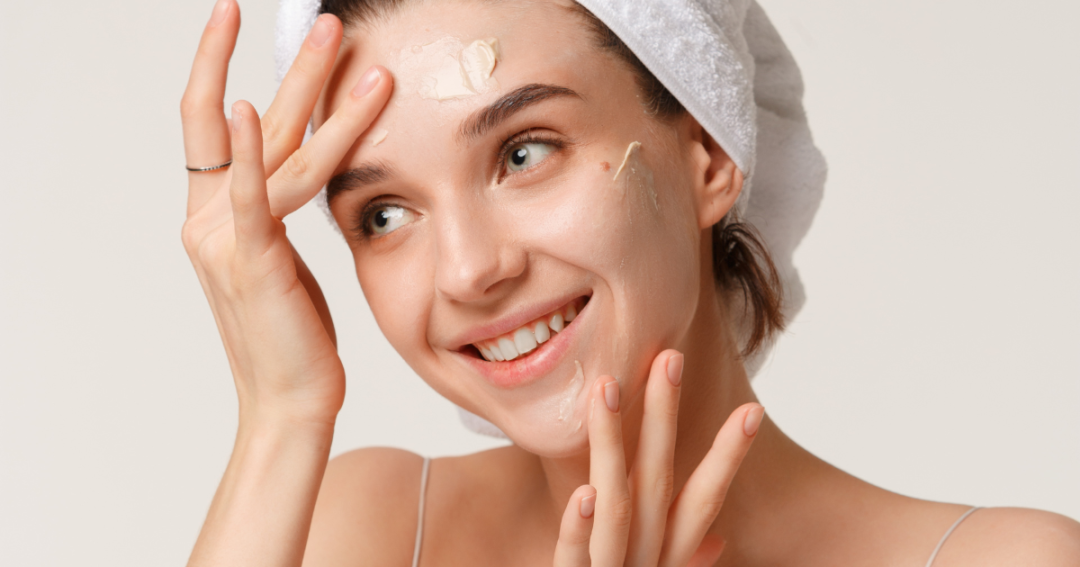
Hydration is important. That’s why moisturisers play a crucial role in fighting dry skin. They help skin feel soft and smooth. Nourishment is important as well. Creams with oils and vitamins can provide what the skin needs.
A strong barrier matters too. Creams can restore the skin barrier. They lock in moisture and prevent irritations. With regular care, dry skin can feel comfortable and healthy.
Key Ingredients That Help Dry Skin
Humectants (Hyaluronic Acid, Glycerin)
Humectants keep the skin from drying out. Hyaluronic acid and glycerin are two ingredients that draw water in and keep it in the skin. Glycerin pulls moisture from the air and deeper layers of skin, while hyaluronic acid can hold many times its weight in water. These ingredients keep skin soft, hydrated, and full. Dermatologists often suggest products with humectants for dry or dehydrated skin because they work well on most skin types and are gentle. Using it often can make your skin feel better and look better overall.
Emollients (Shea Butter, Oils)
Emollients nourish and soften the skin. Ingredients like shea butter and natural oils fill in tiny gaps in the skin’s surface. This smooths rough patches and makes skin feel soft and supple. Different textures offer different experiences. Creams are light and absorb quickly, lotions are thinner and easy to spread, while balms are rich and protective. Choosing the right texture can make daily care feel more comfortable and enjoyable.
Occlusives (Petrolatum, Ceramides)
Occlusives lock in hydration and protect the skin from moisture loss. Ingredients such as petrolatum and ceramides create a barrier on the skin’s surface. This keeps water inside and shields skin from irritants. Occlusives are especially helpful for very dry or eczema-prone skin. Regular use can reduce dryness, calm irritation, and keep skin comfortable throughout the day.
Types of Moisturisers for Dry Skin
Lotions, Creams, and Balms
Lotions, creams, and balms all hydrate the skin, but in different ways. Lotion is light and absorbs quickly. It soothes irritation and feels fresh on the skin. Cream is thicker and richer. It restores the skin barrier and gives long-lasting moisture. Balm is heavy and protective. It locks in hydration and shields very dry skin. Picking the right one depends on your skin’s needs and the weather.
Serums and Oils
Serums and oils work differently but complement each other. Serums are lightweight and penetrate deep into the skin. They deliver hydration exactly where it’s needed. Oils are thicker and help seal in moisture. For best results, use a serum first, then layer a cream or oil on top. This keeps skin soft, plump, and healthy all day.
Choosing the Right Moisturiser for You
When picking out skin care products, think about your skin type, how sensitive it is, and your lifestyle. If you have eczema or very sensitive skin, it’s usually best to use gentle products that don’t have any scents. Lotions and serums with light textures are suitable for normal to slightly dry skin or when you need something that soaks in quickly. Rich creams and balms are beneficial for very dry skin, when it’s cold, or at night. Furthermore, think about your daily routine. If you’re always on the go, a lotion that absorbs quickly might be better for you. Dermatologists often recommend fragrance-free options because they lower the risk of irritation, especially for skin that is sensitive or prone to eczema.
Perspectives and Expert Insights
When choosing skin care products, you should think about how safe and effective they are. Dermatologists often recommend gentle oils, glycerin, ceramides, and hyaluronic acid because they are known to hydrate the skin without causing irritation. If you have sensitive skin, you should use products that don’t have any scent or cause irritation. Many people also want options that don’t feel heavy or greasy on their skin and are budget-friendly.
Beauty bloggers and people who love skincare often write reviews of products, which can help you see how well they work in real life. Following your dermatologist’s advice while also taking your preferences into account will keep your skin healthy, comfortable, and happy.