
Face masks are a popular part of many skincare routines. They can hydrate, cleanse, soothe or exfoliate the skin depending on the type you use. But how often should you really apply them? The answer depends on both your skin type and the kind of mask you choose. Dermatologists usually recommend using a mask one to three times a week. Using them too often can irritate or dry out your skin, so balance is key.
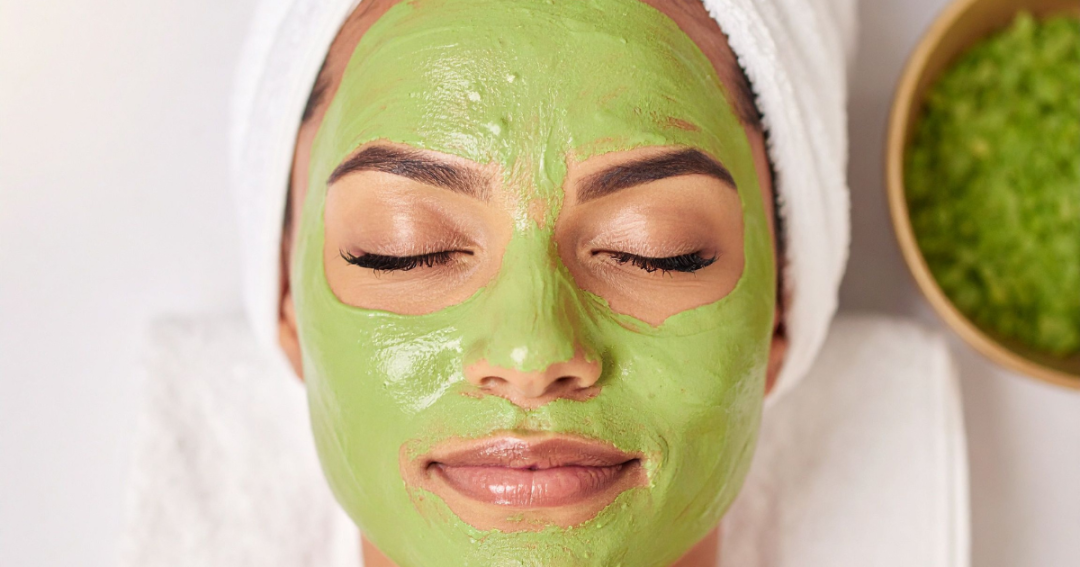
Types of Face Masks and Their Frequency
There are many kinds of face masks, and each one has its own purpose. To get the best results, it helps to know which type of mask to use and how often to use it.
Hydrating and Sheet Masks
Hydrating and sheet masks are gentle and can be used several times a week. They are especially helpful for dry or dehydrated skin. These masks soothe and moisturise while refreshing the skin’s texture. Many brands suggest regular use to keep the skin soft and smooth.
Clay and Detoxifying Masks
Clay and detoxifying masks work best one or two times a week. They are designed to absorb oil, clear pores and control shine. If you use them too often, they may cause dryness or irritation, especially if your skin is sensitive. These masks are most effective for oily or acne-prone skin.
Exfoliating Masks
Exfoliating masks should be used only once a week. They contain stronger ingredients that remove dead skin cells and improve texture. Overuse can damage the skin barrier and make your skin more sensitive, so moderation is important.
Factors That Affect Frequency
The right routine depends on:
- Your skin type, whether oily, dry, combination, sensitive or normal.
- The ingredients in your mask. Hydrating formulas can be used more often, while strong exfoliants should be limited.
- Professional advice. Dermatologists can give personal recommendations based on your skin’s needs.
Risks of Overusing Face Masks
Using face masks too often can do more harm than good. Overuse may cause redness, irritation, dryness or even breakouts. It can also weaken the skin barrier and make your skin more sensitive in the long run. Pay attention to how your skin reacts and adjust your routine if needed.
Tips for Building a Mask Routine
To get the most from your masks:
- Always cleanse your skin before applying a mask so the ingredients can work better.
- Alternate different types of masks to balance hydration, exfoliation and oil control.
- If you are unsure, speak with a dermatologist or skincare professional for guidance.
Closing
Face masks are a simple way to give your skin an extra boost, but how often you use them depends on your skin type and the mask itself. If you listen to your skin and follow a balanced routine, you will enjoy the benefits without the risks. For the best results, choose masks suited to your needs and do not be afraid to ask a professional for advice.