
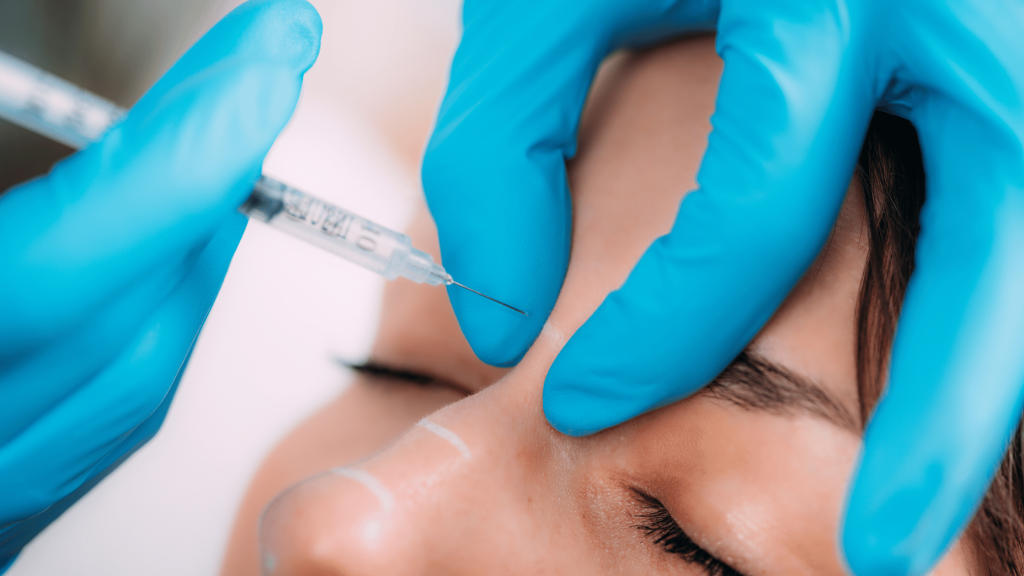
If you’re considering dermal fillers as a non‑surgical way to enhance your facial appearance or reduce signs of ageing, one common question arises: “Do fillers truly dissolve?”
This question is not just about the immediate effects but also about what happens after the initial results wear off.
Let’s delve into the science of dermal fillers, how they break down over time, and what you can expect from their longevity.
What Are Dermal Fillers?
Dermal fillers are injectable treatments designed to restore volume, smooth wrinkles, and improve facial contours. The most common type of fillers, such as Restylane and Juvederm, are made from hyaluronic acid (HA), a substance naturally found in the skin. Other fillers use materials like calcium hydroxylapatite (CaHA) or poly-L-lactic acid (PLLA).
These treatments are ideal for clients who wish to improve their appearance without the need for invasive surgery. They offer quick results with minimal downtime, making them a popular option for individuals looking to refresh their look.
Do Fillers Truly Dissolve?
One of the biggest questions surrounding dermal fillers is whether they completely dissolve after a period of time. The answer is a bit more complex than a simple “yes” or “no”.
The Breakdown Process
The process of how dermal fillers dissolve is not as straightforward as it seems. The hyaluronic acid (HA) in most fillers does break down over time, but this doesn’t mean it disappears entirely.
Here’s why:
- HA Fillers: These fillers are metabolised by the body, usually within 6 to 12 months, depending on factors like metabolism, treatment area, and lifestyle. However, traces of HA may remain in the body long after the filler’s visible effects have worn off. A study from Turku University in Finland found that tiny remnants of fillers could remain in the skin for years, though they don’t cause harm. This is a fascinating aspect, as it suggests that HA fillers may offer ongoing support for the skin, even after they’ve “dissolved”.
- Other Fillers: Fillers like Radiesse (Calcium Hydroxylapatite) and Sculptra (Poly-L-lactic acid) also break down gradually but tend to have longer-lasting effects. These fillers work by stimulating collagen production over time, which can lead to a more natural, longer-term enhancement as the filler dissolves.
Factors Influencing How Fillers Dissolve
The way fillers break down depends on several factors:
1. Type of Filler
- HA-based fillers tend to dissolve more quickly, typically in 6 months to 2 years.
- CaHA fillers (like Radiesse) last longer and can dissolve in up to 18 months.
- PLLA fillers (like Sculptra) are designed to work over time and may last up to 2 years due to their collagen-stimulating properties.
2. Metabolism
Every person’s metabolism is different, so some individuals may metabolise the fillers faster than others. Those with higher metabolic rates may see the filler effects fading more quickly.
3. Injection Area
Fillers in areas with more movement (e.g., lips) may break down faster than those placed in static areas (e.g., cheeks). This is because facial muscles and expression tend to break down fillers more rapidly.
4. Lifestyle Factors
Certain lifestyle habits—such as sun exposure, smoking, or high-impact exercise—can accelerate the breakdown of fillers, while proper skin care can help prolong their longevity.
The ‘Phantom Presence’ of Fillers
A fascinating aspect of dermal fillers is the “phantom presence” they leave behind.
What Does This Mean?
Even after the filler appears to have dissolved, microscopic traces can still remain in the skin. This is not harmful, as these remnants are composed of naturally occurring substances in the body, such as hyaluronic acid.
While these traces may linger, they are generally harmless and don’t affect the overall appearance of the skin. If you are unhappy with the results, fillers can be dissolved more quickly using a treatment called hyaluronidase, which breaks down hyaluronic acid faster.
How Long Does It Take for Fillers to Dissolve?
The dissolving process varies by individual and product type. On average:
- HA fillers may take 6 months to a year to break down completely.
- CaHA and PLLA fillers can last up to 2 years.
If you wish to accelerate the dissolving process, a qualified professional can administer hyaluronidase, which can reduce the filler’s effects in a matter of days.
The Final Word: Do Fillers Really Dissolve?
The truth is, dermal fillers do break down over time, but they don’t always “disappear” entirely. Tiny traces of fillers may remain in the body long after their visible effects have faded, and this is generally harmless. The process is gradual, and the rate of breakdown depends on various factors, such as the type of filler used, metabolism, and lifestyle.
If you’re considering dermal fillers, it’s essential to seek advice from a qualified professional. They can guide you on what filler is best for your aesthetic goals and help you manage expectations regarding the longevity and breakdown of your treatments.
Conclusion
Understanding the longevity and dissolution process of dermal fillers is essential when considering these treatments.
While they do break down over time, small traces may remain, contributing to long-term skin support.
Always consult a qualified professional aesthetic practitioner to ensure the best results and make an informed decision for your aesthetic needs.
Frequently Asked Questions
1. Does filler dissolve completely?
Fillers, especially HA-based ones, break down over time, but microscopic traces may remain in the body. This is typically harmless and doesn’t affect skin appearance.
2. How long does filler take to dissolve with hyaluronidase?
Hyaluronidase can accelerate the breakdown of HA fillers, typically dissolving them within a few days.
3. How long does lip filler take to dissolve?
Lip fillers, primarily composed of hyaluronic acid, dissolve over time, usually within 6 months to a year, depending on individual metabolism.
4. Do fillers dissolve on their own?
Yes, most dermal fillers naturally dissolve as the body metabolises them. The process can take anywhere from 6 months to 2 years, depending on the filler type.
5. Can a dental nurse become a prescriber for fillers?
Yes, dental nurses can pursue additional training to become prescribers for aesthetic treatments, depending on local regulations.