
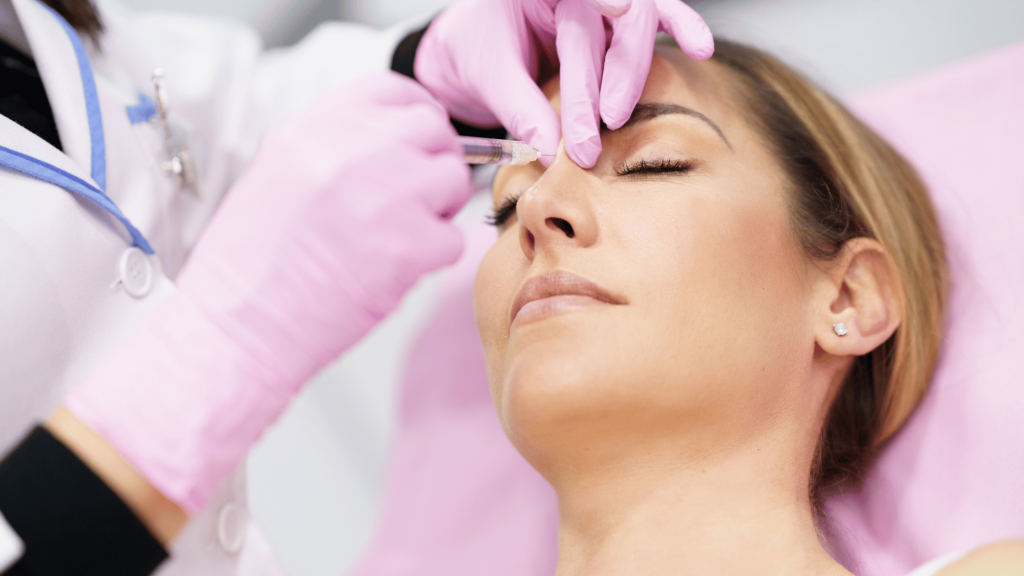
Do Dermal Fillers Look Better Over Time? The Real Truth for Aesthetics Clinics
The world of aesthetics and beauty treatments is constantly evolving, and dermal fillers remain one of the most popular non‑surgical options for clients seeking smoother skin, restored volume, and enhanced facial contours. A question many patients and practitioners alike ask is:
“Do dermal fillers look better over time?”
It’s a smart question, especially considering the investment in both dermal filler injections and the results they deliver.
In this guide, we’ll explore how dermal fillers settle, when they tend to look their best, and what factors affect their appearance over time — helping you educate your clients with confidence.
What Are Dermal Fillers & How Do They Work?
Dermal fillers are gel‑like substances, most commonly made from hyaluronic acid, that are injected beneath the skin to:
- Smooth wrinkles and fine lines
- Restore lost volume in cheeks, lips, and temples
- Enhance facial contours for a more youthful appearance
While results vary by product and individual, the effects of dermal fillers typically last between six months and two years, depending on:
- the type of filler used
- the treatment area
- the client’s metabolism
- lifestyle and skincare routine
Understanding this helps you set realistic expectations for clients and tailor treatments more effectively.
Do Dermal Fillers Really Look Better Over Time?
Here’s where things get interesting…
Many people do report that their dermal fillers look more natural and better integrated a few weeks after treatment. This isn’t just anecdotal — it’s related to how fillers settle in the body.
The Filler Settling Process
After injections, there’s a settling period—usually a few weeks during which:
✔ initial swelling goes down
✔ bruising fades
✔ The filler melds more naturally into surrounding tissues
During this time, the treated area often appears smoother, more refined, and more natural compared to immediately post‑treatment.
This period — typically a few weeks to a couple of months after treatment is what many clinicians and patients refer to as the “sweet spot”.
But Does It Keep Getting Better?
Not exactly.
Once fillers settle, they don’t continue improving forever. As the body gradually metabolises the hyaluronic acid, the filler’s volume slowly decreases. This can eventually lead to:
- a subtle return of wrinkles or volume loss
- a softer appearance as the product diminishes
- the need for maintenance treatments
So in short: dermal fillers can look more natural after settling but they don’t continuously improve until they vanish.
Why Appearance Varies Between Clients
Just like every face is unique, so is every filler journey. Several factors influence how fillers look over time:
1. How Long Does Dermal Filler Take to Settle
Some clients may see their optimal results within a few days, while others may take a couple of weeks before the filler looks fully natural.
2. Individual Metabolism
Clients with faster metabolisms may break down the filler quickly, affecting both how the results look and how long they last.
3. Injection Technique
A skilled injector understands facial anatomy and product placement — minimising lumps, asymmetry, and uneven settling.
4. Aftercare & Skincare
Proper aftercare—like avoiding excessive heat, massage, or intense workouts immediately post‑treatment can help reduce swelling and improve how fillers integrate.
How Long Do Dermal Fillers Last?
A common question is:
“How long does dermal filler last?”
While results vary, here’s a general guideline:
- 6–12 months: Most lip and fine‑line fillers
- 12–18 months: Mid‑face and deeper volumising fillers
- Up to 2 years: Certain high‑viscosity products or structured applications
Remember: individual response and lifestyle factors can influence longevity.
Cost Considerations: How Much Does Dermal Filler Cost?
Another frequent question from clients is:
“How much does dermal filler cost?”
Pricing varies depending on:
- Filler brand and product
- Treatment area
- Clinic location
- Injector experience
- Number of syringes used
As an aesthetics professional, providing transparent pricing and clear expectations increases trust and helps your clients feel more confident investing in their treatments.
Conclusion: Do Dermal Fillers Look Better Over Time?
The short answer is: yes — but only for a limited window.
There is a period shortly after swelling subsides — typically a few weeks to a couple of months — where dermal fillers often look most natural and well integrated. After that, as the body metabolises the hyaluronic acid, the product gradually diminishes, and the effects soften.
Dermal fillers aren’t magic — but when used properly, they can enhance facial harmony beautifully. Pairing great technique with personalised advice, proper aftercare instruction, and regular touch‑ups helps your clients enjoy consistent, natural results over time.
Frequently Asked Questions
1. How does dermal filler work?
Dermal fillers are injected beneath the skin, where they add volume, smooth wrinkles, and enhance facial contours by replacing lost hyaluronic acid.
2. How long does dermal filler take to settle?
Most fillers settle within 2–6 weeks, as swelling reduces and the product integrates with soft tissues.
3. How long does dermal filler last?
Depending on product and individual factors, dermal fillers typically last 6–24 months.
4. Why do fillers look better after a few weeks?
Initial swelling can mask true results. Once swelling subsides and the filler integrates into tissues, results often appear more refined and natural.
5. How much does dermal filler cost?
Costs vary by clinic, product, and treatment area. Providing clear pricing upfront helps clients set realistic expectations.