
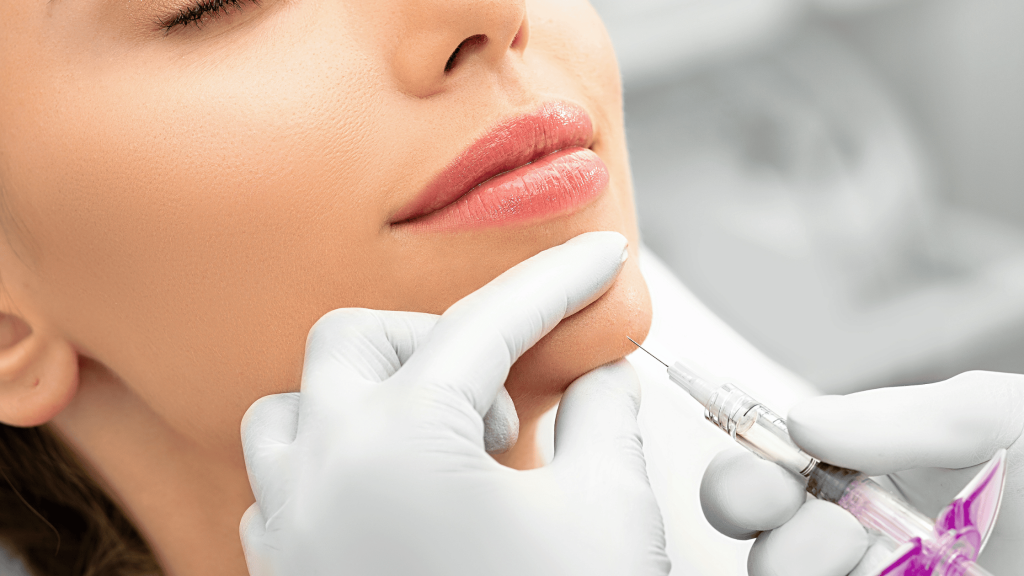
Are you considering dermal filler injections to restore a youthful, radiant look, but worried about how your body might react?
You’re not alone.
Many people in the UK share these concerns and want clear, honest answers before booking a treatment.
In this article, we cut through the confusion and explain what really happens when your body responds to dermal filler, how likely adverse reactions are, and what you can do to stay safe.
Let’s dive into the facts so you can make a confident, informed decision about your cosmetic journey.
Dermal Fillers: What They Are & How They Work
Dermal fillers are injectable gel‑like substances used to:
- Restore lost volume
- Reduce the appearance of fine lines and wrinkles
- Contour facial features like lips and cheeks
The most common fillers used in the UK are hyaluronic acid‑based, but other formulas also exist — such as poly‑L‑lactic acid and calcium hydroxylapatite. These products are meant to blend seamlessly with your facial tissues, providing natural‑looking results without surgery.
Can Your Body Really Reject Dermal Fillers?
People often ask, “Can your body reject dermal fillers?” — but the answer isn’t so black and white.
In the strictest sense, true rejection (like what happens with organ transplants) doesn’t occur with dermal fillers. However, your body can react negatively to the product or the injection process, and these reactions can sometimes resemble “rejection”.
More precisely, what people experience are adverse reactions or immune responses — and understanding the difference is key.
Why the Body Might React to a Dermal Filler
Here are some of the most common reasons clients might experience a reaction after dermal filler injections:
1. Infection
If bacteria enter the injection site during or after treatment, your body can mount a response — causing swelling, redness, warmth, and discomfort. This isn’t rejection but rather a reaction to infection.
2. Inflammatory Response
In rare cases, the immune system may see the filler as a foreign substance and trigger inflammation. This can result in persistent swelling or lumps that may need medical attention.
3. Poor Injection Technique
Incorrect filler placement — too deep, too shallow, or in the wrong area — can lead to complications. When this happens, your body attempts to redistribute or break down the filler, potentially causing uneven results.
4. Allergic Reactions
Though uncommon, some individuals may be allergic to components in certain fillers. Signs include itching, rashes, or swelling, and severe cases may require urgent medical care.
How to Minimise the Risk of Adverse Reactions
You can take several proactive steps to reduce your risk after dermal filler injections:
Choose an Experienced Practitioner
Work only with licensed professionals trained in advanced injection techniques. This dramatically lowers your chances of complications.
Be Transparent About Your Health
Share your full medical history, allergies, and medications with your clinician before treatment. This helps them choose the safest dermal filler products for you.
Follow Aftercare Instructions
Post‑treatment care is essential. Avoid excessive touching, drinking through straws, intense workouts, or sauna use immediately after injections unless advised otherwise.
What to Do if You Have an Adverse Reaction
If you suspect you’re experiencing a negative reaction:
- Contact your practitioner immediately.
- Describe your symptoms clearly.
- Follow their guidance — which may include anti‑inflammatory medications or antihistamines.
In some cases, hyaluronic acid fillers can be dissolved using an enzyme called hyaluronidase. This should only be administered by qualified professionals.
⚠️ If you experience severe symptoms like difficulty breathing, intense swelling, or spreading redness, seek emergency medical help immediately.
Final Thoughts: Understanding Dermal Filler Reactions
So, can your body reject dermal fillers? The short answer: not in the traditional sense. What can happen — though it’s rare — are adverse or immune responses that mimic rejection. The good news is that by choosing reputable practitioners, providing complete health information, and following aftercare guidance, most clients experience beautiful, smooth results with minimal risk.
Your safety and peace of mind matter most. If you ever feel unsure or notice unexpected symptoms, don’t hesitate to talk to your clinician. Early intervention can make all the difference.
Frequently Asked Questions About Dermal Fillers
1. Can dermal fillers be rejected by the body?
Dermal fillers aren’t technically “rejected” like organs—but your body can sometimes react with inflammation or other adverse responses.
2. How safe are dermal filler injections?
When performed by qualified professionals using quality products, dermal filler injections are considered safe with a low risk of serious complications.
3. Where can I buy dermal filler online?
You can buy dermal filler online from reputable UK‑based suppliers and clinics. Always ensure products are authentic and suitable for professional use.
4. What should I do if I notice swelling after fillers?
Mild swelling and bruising are normal — but contact your practitioner if symptoms worsen or persist beyond a few days or if you suspect an infection.
5. Are allergic reactions common with dermal fillers?
Allergic reactions are rare, especially with hyaluronic acid fillers, but they can occur. Inform your clinician of any known allergies before treatment.