
Understanding Ozempic and Its Uses
Ozempic (semaglutide) is a prescription-only medicine approved by MHRA in the UK for type 2 diabetes patients. It helps regulate blood sugar by stimulating insulin release and lessening the patient’s appetite. It is part of a class of drugs called GLP-1 receptor agonists.
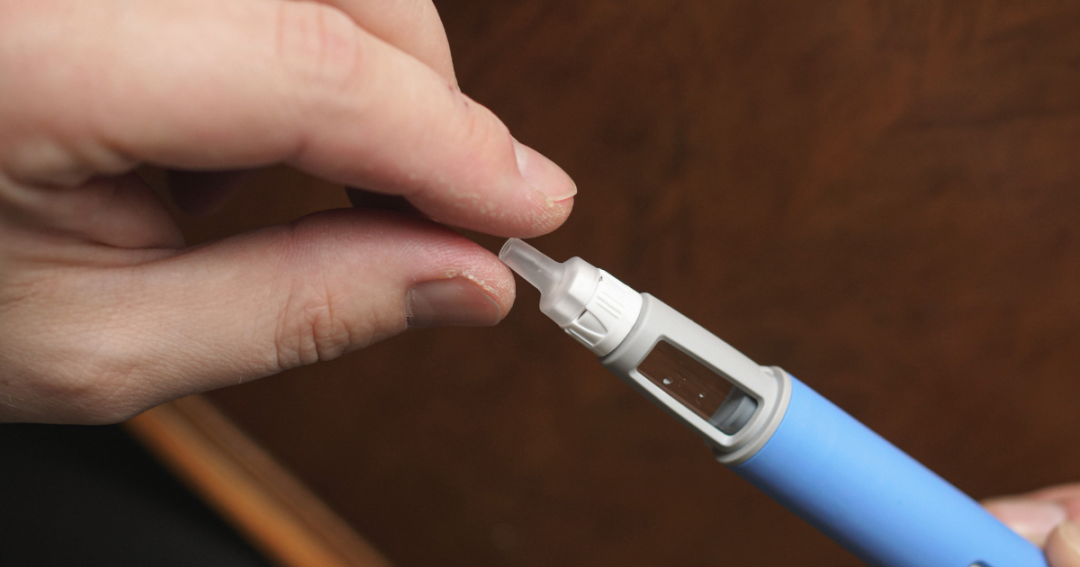
It is supplied as a once-a-week injectable pen, and you must get a prescription from a qualified healthcare professional. Its official license is for type 2 diabetes; however, doctors may sometimes prescribe Ozempic off-label for weight loss patients who meet specific criteria.
Who Can Get Ozempic
Eligibility for Ozempic is entirely based on your medical need. In the UK, it is primarily given to adults with type 2 diabetes when other medicines or treatments did not work. In some cases, a doctor may also prescribe Ozempic for weight management, but the usage is usually on an off-label basis and only if a patient meets strict criteria.
Health professionals will evaluate a patient’s full health history before prescribing. This includes checking body weight, BMI, blood sugar levels, and existing medical conditions. They will also check your current medications to make sure Ozempic is safe and appropriate for you.
Characteristics of Ozempic
Ozempic is a weekly injectable pen designed for long-term treatment. Patients prescribed Ozempic should expect it to be part of an ongoing management plan rather than a one-time course.
It is available in different dosage strengths, allowing healthcare professionals to adjust the treatment based on the patient’s response to the medication and individual needs.
How to Get Prescribed Ozempic
Ozempic cannot be purchased without a prescription; a healthcare professional must prescribe it after a proper consultation. Your practitioner will ask you about your symptoms, health history, and treatment goals.
Your practitioner considers factors such as your blood sugar, BMI, current medications, and overall health condition to determine the appropriate dosage and treatment plan. Usually, the starting dose is low and gradually increased to lessen the side effects while ensuring the medication’s effectiveness.
Talking to a Doctor
Discuss with your healthcare provider whether your focus is diabetes management or supporting weight loss. They will carefully assess if you are fit for this medication. If you are not eligible for Ozempic, they may recommend alternatives such as other GLP-1 receptor agonists or different diabetes and weight management treatments.
Where to Get Ozempic Filled
Once prescribed, prescriptions can be filled at either local or online pharmacies. The patient can choose the option that is more convenient based on availability and supply.
It is important to note that anyone looking to buy Ozempic pen online should purchase it only from a trusted and verified UK supplier. Faces is a trusted UK supplier, providing genuine products through an appropriate clinical assessment. Buying Ozempic from unverified sources is unsafe, potentially illegal, and may result in counterfeit products or adverse health effects.
Availability and Supply Challenges
Ozempic is currently in high demand across the UK, which results in supply shortages in some areas. This can affect both NHS and private prescriptions, with patients sometimes facing delays in their medication.
Cost and Insurance Coverage
The cost of Ozempic can fluctuate substantially based on the method of access. On the NHS, patients with type 2 diabetes may be eligible for the prescription charge, which is restricted to the standard NHS fee, provided that they satisfy the eligibility criteria. Nevertheless, Ozempic is not typically prescribed for weight loss through the NHS.
The cost of Ozempic can be significantly higher for patients who are pursuing it privately. The price typically ranges from approximately £150 to £250 per pen, depending on the dosage strength and provider
Coverage and affordability may vary: while certain private health insurance plans may provide coverage for the medication, approval is frequently contingent upon medical criteria and may necessitate prior authorisation from the insurer.
Insurance Options
Ozempic insurance coverage varies based on the medical requirements and the insurance company’s rules. Companies usually decide if they will cover a prescription based on whether it is for type 2 diabetes (which is a licensed use) or for weight loss (which is not on the label and is less likely to be paid).
This means that some people will only have to pay a standard copay if Ozempic is covered by their plan. Some individuals, particularly those seeking weight loss, may not have access to the medication, resulting in significant out-of-pocket expenses.
Paying Without Insurance
Ozempic can be very pricey for people who don’t have insurance. In the UK, private medications often cost hundreds of pounds per month. Such prices can make it hard to keep using for a long time.
Patients can ask their doctor about cheaper options, like other GLP-1 receptor agonists or oral choices like semaglutide tablets, to help cut down on costs. Sometimes, patient assistance or discount programs run by drug companies or private clinics can also help make treatment cheaper.