
It is a grey November morning. You have cleansed, put on your serum and moisturiser, and you are reaching for your coat. Sunscreen feels like a summer job, so it stays in the drawer. Or you do want a daily SPF, but every one you have tried has been greasy, left a white cast or pilled under make-up, so you have quietly given up.
This guide is for both situations. It picks five facial sunscreens currently listed in the SPF for face aisle on Faces, most of them SPF 50, and explains who each one is positioned for, from oily skin to make-up wearers. It is a shopping companion to our pharmacist’s guide to SPF by skin type and concern, not a repeat of it. Prices and stock were checked on each product page on 13 November 2026. They can change, so always confirm on the listing before you order.
Do you need facial SPF in the UK, even in winter?
The NHS is clear that you can burn in the UK even when it is cloudy. Its sunscreen and sun safety advice says the sun is strongest between 11am and 3pm from March to October, and suggests checking the UV index on a weather app: if it is 3 or higher, consider protecting your skin.
Outside those months the UV index is often lower, so whether you need a daily SPF in deep winter depends on where you are, how long you are outside and what your skin is doing. Many people simply find it easier to make SPF the last step of every morning routine, all year round, so it never gets forgotten when spring arrives. If you are using exfoliating products, or have had an in-clinic treatment such as a peel, follow the sun-protection advice your practitioner gives you.
What to look for on a facial SPF label
The NHS advises that, when you buy sunscreen, the label should show:
- An SPF of at least 30 to protect against UVB. SPF is rated from 2 to 50+, with 50+ giving the strongest UVB protection.
- At least 4-star UVA protection, or the letters “UVA” in a circle, which shows it meets the EU standard.
- An in-date product. Look for the open-jar symbol with an M and a number, which tells you how many months it lasts once opened.
Sunscreens that cover both UVA and UVB are sometimes called broad spectrum. The NHS also says not to rely on sunscreen alone: shade, a wide-brimmed hat and sunglasses all matter. Check the star rating and SPF on the pack or product page of any sunscreen you choose, including the ones below.
5 facial SPF picks you can buy on Faces
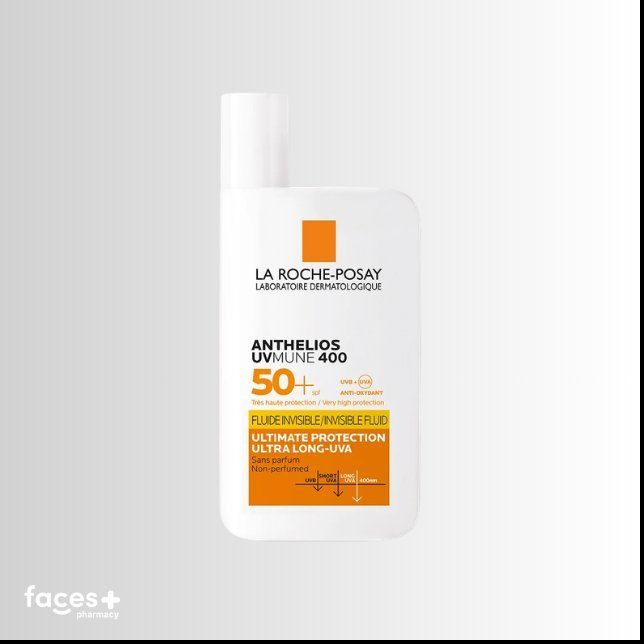
1. La Roche-Posay UVMUNE 400 Oil Control Fluid 50ml (£18.50)
The La Roche-Posay UVMUNE 400 Oil Control Fluid is the lowest-priced pick in this guide and comes from one of the best-known pharmacy sun-care brands. The Faces listing positions it for normal to oily skin, with a lightweight fluid texture that is meant to reduce the look of shine and sit comfortably under make-up.
Consider it if: your T-zone is shiny by lunchtime and you want a light fluid at a high-street price. Check the SPF and UVA rating on the listing or pack before you buy.
2. Vichy Minéral 89 Daily UV Fluid SPF 50 50ml (£23.00)
The Vichy Minéral 89 Daily UV Fluid SPF 50 pairs a daily SPF 50 with the hydration focus of Vichy’s Minéral 89 range. The listing describes a lightweight fluid that works under make-up and suits normal to combination skin, and people who dislike heavy or greasy sunscreens.
If you want a second opinion before you buy, our nurse prescriber reviews Vichy on the Faces Pharmacy YouTube channel in “Nurse prescriber rates Vichy: keep or skip?”.
Consider it if: you want a comfortable, everyday SPF 50 for city days and the commute.
3. SPF-50 Invisible Lotion 100ml (£28.00)

The SPF-50 Invisible Lotion is listed by an independent seller on the Faces marketplace. Its listing describes a non-greasy, fragrance-free SPF 50 lotion for all skin types, applied in the morning as the last step of skincare and before make-up. At 100ml it is a larger bottle than most facial sunscreens, which helps if you use it on your neck and ears too.
Consider it if: you want a fragrance-free SPF 50 in a bigger size.
4. Ultra Facial UV Defense SPF50 30ml (£38.50)
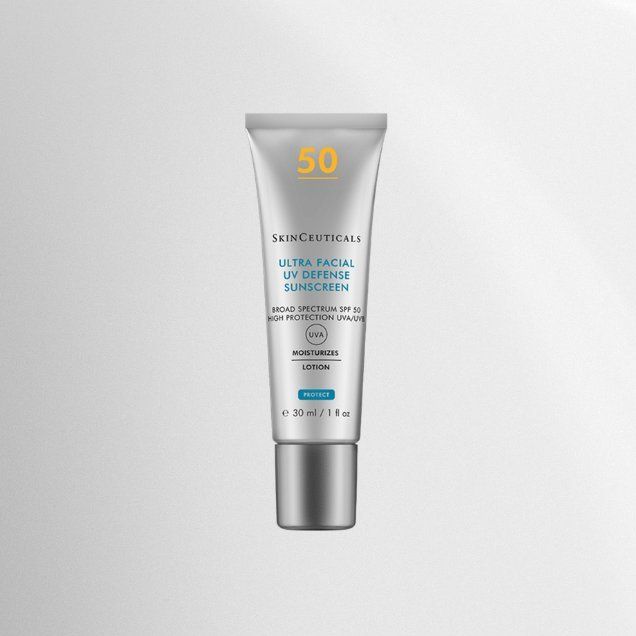
The Ultra Facial UV Defense SPF50 is a premium daily facial sunscreen. The Faces listing positions it as a lightweight, non-greasy SPF50 that layers well under make-up, and says it suits people with sensitive skin looking for a comfortable option.
Consider it if: you wear make-up most days and want a dedicated facial SPF50 that layers well.
5. Oil Shield UV Defense SPF50 30ml (£38.50)
From the same premium price point, the Oil Shield UV Defense SPF50 is listed as a lightweight SPF50 for everyday wear, outdoor walks and active days. Its name points to the shine-prone shopper, and it is a natural alternative to the Ultra Facial formula if your skin runs oily.
Consider it if: you have oily or combination skin and want a premium SPF50.
Prefer SPF 30? Three more options
The NHS minimum is SPF 30, and some people prefer the feel of a lighter-factor product for low-UV days. The aisle also lists the Brightening UV Defense SPF30 (£38.50), the Glow Primer SPF30 (£19.99), which doubles as a make-up primer, and the SPF-30 Light Day Sun Cream (£25.00).
Quick comparison
| Sunscreen | Positioned for | Price on Faces (13 Nov 2026) |
|---|---|---|
| La Roche-Posay UVMUNE 400 Oil Control Fluid 50ml | Normal to oily skin, less shine | £18.50 |
| Vichy Minéral 89 Daily UV Fluid SPF 50 50ml | Normal to combination skin, daily wear | £23.00 |
| SPF-50 Invisible Lotion 100ml | All skin types, fragrance-free | £28.00 |
| Ultra Facial UV Defense SPF50 30ml | Make-up wearers, sensitive skin | £38.50 |
| Oil Shield UV Defense SPF50 30ml | Oily skin, active days | £38.50 |
How to apply facial SPF properly
Most people do not apply enough sunscreen, and the NHS warns that a thin layer reduces the protection you get. A few habits make the biggest difference:
- Make SPF the last step of your morning skincare, after moisturiser and before make-up.
- Use a generous amount and cover your face, neck and ears. Do not forget your hairline.
- If you will be outside long enough to risk burning, the NHS suggests applying twice: 30 minutes before you go out and again just before.
- Reapply every 2 hours and after swimming, sweating or towel drying, even if the product says it is water resistant.
- Patch test a new product if your skin reacts easily, and stop if you get stinging, redness or a rash.
SPF works best as part of a simple routine. Start with a gentle cleanser from our roundup of the best facial cleansers in the UK on Faces, add a serum if you have one specific goal (see our guide to the best face serums you can shop on Faces), and finish with sunscreen. Our guide to building a simple skincare routine puts the steps together, and skincare by concern: hydration, tone and SPF explains how tone products and SPF work together.
When to speak to a professional
Sunscreen helps protect your skin, but it does not treat skin conditions. If you notice a new or changing mole or patch of skin, or you are worried about pigmentation, see your GP. If you have had a peel, laser or another in-clinic treatment, follow your practitioner’s aftercare advice. For a prescription skin treatment, you need a consultation with a registered prescriber. You can use the Faces find a prescriber near me directory to arrange one.
Why shop for SPF on Faces?
Faces started as software for aesthetics and skin clinics. Practitioners use it for online booking, digital consent forms, aftercare forms, records and team management. The same platform includes Faces Pharmacy and a multi-seller marketplace at facesconsent.com/shop, so it works as a booking system with a built-in pharmacy and marketplace.
For you, that means the sunscreens in this guide sit alongside the wider skincare ranges your practitioner may already be ordering through the same system, from big pharmacy brands to independent sellers. You can browse by category, compare prices and check stock on each listing in one place. Our guide to skincare ranges you can shop on Faces is a good place to explore the brands.
If you run a clinic, you can book appointments, take consent and order clinic stock from the same Faces platform, and recommend aftercare products like daily SPF from the shop your clients already use. Create a free Faces account to see how it fits your practice.
For product reviews and tutorials, follow Faces on Instagram, TikTok and LinkedIn, and subscribe to the Faces Pharmacy YouTube channel and Ash from Faces on YouTube.
Find your daily SPF
Pick a texture you will actually enjoy wearing, check the SPF and UVA rating, and make it the last step of every morning. The best sunscreen is the one you use generously and consistently.
FAQs
What is the best facial SPF 50 in the UK?
There is no single best sunscreen for everyone. Choose an SPF of at least 30 with at least 4-star UVA protection, as the NHS advises, then pick a texture that suits your skin: lighter fluids for oily skin, more hydrating formulas for dry skin.
Is SPF 50 better than SPF 30?
SPF measures UVB protection, and SPF 50+ is the top of the scale. The NHS recommends at least SPF 30. How much you apply and how often you reapply matter as much as the number on the bottle.
Do I need to wear SPF in winter in the UK?
The NHS says the sun is strongest in the UK from March to October and suggests protecting your skin when the UV index is 3 or higher. Many people keep SPF in their routine all year so the habit sticks.
Can I wear SPF under make-up?
Yes. Apply sunscreen as the last step of your skincare and let it settle before make-up. Lightweight fluids are often the easiest to layer.
How much facial sunscreen should I use?
More than most people think. Apply a generous, even layer to your face, neck and ears, and reapply every 2 hours when you are outside, and after sweating, swimming or towel drying.
Are these sunscreens in stock on Faces?
On 13 November 2026, the five sunscreens in this guide were showing as in stock on their Faces product pages. Stock and prices change, so check each listing before you order.
This article is general information about cosmetic skincare and sun protection and is not medical advice. If you have a skin condition, a changing mole or are using prescription treatments, speak to a qualified healthcare professional.
Ashley James Simpson-Davies INP MSc RN