
A surprising number of otherwise well-qualified aesthetic practitioners assume that a Level 7 certificate and professional insurance are enough to open a trade account and start ordering Botox. Neither is enough on its own. The document that actually makes an order legal is a prescription written for a named patient, and it is this single requirement, not training, not insurance, not experience, that most purchasing mistakes trace back to.
UK regulation in this area has been getting stricter, not looser, over the past two years. Buying Botox online correctly is not complicated once the framework is understood, but the framework itself catches out people who assume that holding the right qualifications is the same thing as holding the right paperwork for a purchase. This guide sets out who can legally buy toxin, what a compliant order actually involves, and what current UK pricing looks like across the market.
Why Botox Is Tightly Controlled
Botulinum Toxin is classed as a prescription-only medicine under the Human Medicines Regulations 2012. That classification exists because of how the drug behaves pharmacologically: it binds at the neuromuscular junction and blocks acetylcholine release, temporarily paralysing the target muscle. Get the product, the dose or the placement wrong and the consequences range from a dropped brow to respiratory compromise in rare systemic cases. The POM status means the medicine cannot be sold, supplied or administered outside a prescription given by an appropriate practitioner for a specific patient after that patient has been assessed.
This is the detail that catches people out. A prescription is not a blanket licence to hold stock. It is tied to an individual patient, written after that patient has been seen and assessed. Buying a vial “on spec” to have ready for whoever walks through the door that afternoon falls outside the law, even if a prescriber’s name is technically attached to the account.
Who Can Legally Order and Administer It
Independent prescribing rights sit with doctors, dentists, and nurse or pharmacist prescribers who hold the relevant qualification. GOV.UK sets out the rules for the sale, supply and administration of medicines for each professional group. Non-medical practitioners, including many beauty therapists and some nurses without prescribing rights, can still administer treatment, but only by working under a designated prescriber who assesses the patient and issues the prescription before any product is ordered or injected.
The rules around this have tightened rather than loosened. From 1 June 2025, the Nursing and Midwifery Council requires nurse and midwife prescribers to consult with patients face-to-face before issuing a prescription for cosmetic procedures, closing off the video-call prescribing model some clinics had relied on. Anyone still sourcing product through a remote-only prescribing arrangement is working on borrowed time, and possibly already outside current professional standards.
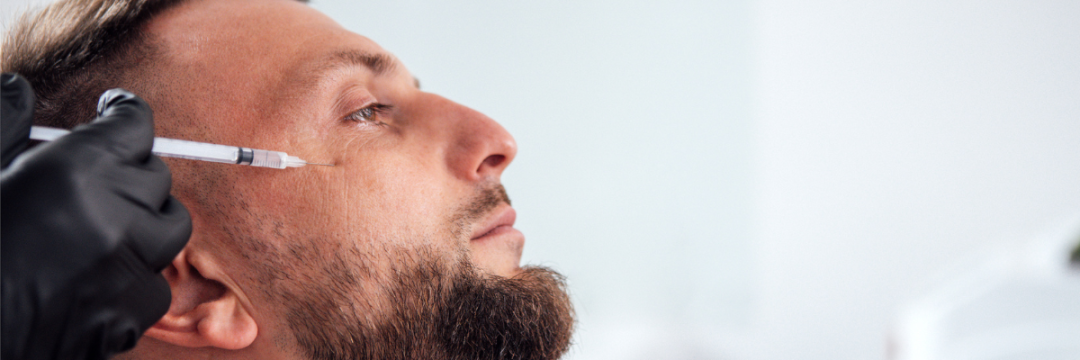
Buy Botox Online: What a Compliant Order Actually Looks Like
Buy Botox Injections Online is one of the most searched phrases among UK practitioners, and it is worth being precise about what a legitimate version of that search should return. A compliant online order requires an account registered against verifiable professional credentials: a GMC, NMC, GDC or GPhC number, proof of appropriate insurance, and, where relevant, evidence of the designated prescriber relationship. No credentials, no account, regardless of how convincing the storefront looks.
Insurance is worth pausing on, because it is one of the most commonly overlooked pieces of that credential set. Practitioners without adequate cover in place, or unsure whether their existing policy actually extends to toxin work, can request quotes from Faces’ aesthetics insurance partners directly, rather than treating it as paperwork to sort out later.
Product itself should ship from a regulated pharmacy under cold-chain conditions, since Botulinum Toxin is temperature-sensitive and degrades outside its 2 to 8°C range. Practitioners can order Botox 50 Units, Botox 100 Units and Botox 200 Units through the Faces pharmacy, with pricing visible once signed in. That sign-in requirement is not friction for its own sake. It is the same control point regulators expect to see.
Botox 50 Units: Dosing, Reconstitution and Common Use
Botox 50 Units suits practitioners with a lower monthly patient volume or those wanting to minimise wastage on single-area bookings. Reconstitution is typically 1.25ml of preservative-free 0.9% sodium chloride for a 4-unit-per-0.1ml dilution, though prescribers should always confirm against the current SmPC rather than habit. A standard glabella treatment uses around 20 units, meaning a 50-unit vial covers roughly two to three single-area treatments before the vial needs discarding. Reconstituted product should not be kept beyond the manufacturer’s stated shelf life once opened.
Common mistakes with the smaller vial size include over-diluting to stretch it across more patients than the concentration supports, which produces inconsistent results and undermines the clinical rationale for dosing by unit in the first place.
Botox 100 Units: The Standard Working Vial
Botox 100 Units is the vial most UK clinics build their week around. It comfortably covers a three-area treatment (forehead, glabella and crow’s feet, typically 40 to 60 units combined) or a single masseter session on one patient, and its cost per unit tends to sit more favourably than the 50-unit option once wastage is accounted for. Reconstitution follows the same principle, commonly 2.5ml of saline for a 4-unit-per-0.1ml concentration, with the final dilution chosen by the prescriber based on injection technique and target precision.
Indications extend beyond the licensed upper-face lines into widely practised off-label use for masseter reduction, hyperhidrosis and neck banding, provided the prescriber has assessed suitability and documented informed consent for off-label treatment.
Botox 200 Units: For Higher-Volume Clinics and Combination Treatments
Botox 200 Units is generally reserved for busy clinics running multiple patients from a single vial in one session, or for treatments that consume large unit volumes on their own, such as bilateral masseter reduction (which alone can use 40 to 100 units) or hyperhidrosis, where axillary treatment routinely uses upwards of 100 units per side. The larger vial reduces the per-unit cost but increases the pressure to use the full reconstituted volume within its stability window, so it only makes financial and clinical sense where genuine throughput supports it.
Across all three sizes, the contraindications are the same: known hypersensitivity to the active substance or excipients, infection at the injection site, neuromuscular junction disorders such as myasthenia gravis, and pregnancy or breastfeeding. Aftercare guidance is consistent too. No lying flat, rubbing the treated area or intense exercise for around four hours post-treatment, with onset from day two to four and full effect by around two weeks. Practices should confirm patient consent through a documented consent process before treatment, not just before purchase.
Add image here: A photograph-style illustration of a labelled Botox vial alongside a reconstitution syringe and saline ampoule on a clean clinical tray. Alt text: Botox vial, saline and syringe set up for reconstitution in a UK aesthetic clinic.
Understanding Botox Price UK: What Actually Sets the Cost
What a practitioner pays: manufacturer pricing on the toxin itself is fixed and does not vary clinic to clinic. Any difference in what a practitioner pays per vial comes from distributor margins and order volume, not from any flexibility in the base product cost. Wholesale figures are normally only visible to verified trade accounts, which is why pricing on a pharmacy shop is typically gated behind sign-in rather than published openly.
What a patient pays: this is the retail, per-area or per-unit fee a clinic charges, and it is where most of the public pricing data sits. Botox price UK figures currently average around £143 to £150 per single treatment area, with a realistic national range from roughly £65 at the cheapest end up to £400 plus in premium London postcodes.
The gap between those two figures is the practitioner’s margin, and it covers consultation time, clinical risk, overheads and skill, not just the product. Prices under about £99 to £150 for a genuine treatment should prompt questions about product dilution, practitioner qualification or insurance cover, since none of those savings can legitimately come from the vial itself.
Azzalure Botox Price and Product Comparisons
Azzalure Botox price searches usually come from practitioners trying to compare like for like across brands, which is harder than it sounds because Azzalure is dosed in Speywood units, not the international units used for Botox. The widely accepted clinical conversion is 2.5 Speywood units to 1 international unit, meaning a 125-unit vial of Azzalure is roughly equivalent to a 50-unit vial of Botox. It is not a direct swap, and never one to calculate on the fly mid-consultation. Getting the conversion wrong is a common source of underdosing or, less often, brow ptosis from overdosing.
Masseter Botox Price and Dosing Load
Masseter Botox price reflects the sheer volume of product the treatment demands compared with upper-face lines. Most patients need somewhere between 20 and 40 units per side, occasionally up to 50 for pronounced hypertrophy or therapeutic bruxism management, against roughly 20 units for a standard glabella. UK pricing for the treatment typically runs from around £200 up to £600 to £700 depending on total units and clinic location, with London sitting toward the top of that range. Because the dose is so much higher than a standard area, masseter work is one of the clearest cases where quoting per unit rather than per area gives both practitioner and patient a fairer picture of what they are actually paying for.
Botox Injection Price Per Unit vs Per Area
Botox injection price models split broadly into per-area and per-unit pricing, and UK clinics are not consistent about which they use. Per-area pricing is easier for patients to budget against but can obscure genuine differences in how much product two patients actually receive for the same quoted fee. Per-unit pricing is more transparent and rewards precise dosing, but it requires the practitioner to communicate unit counts clearly during consultation so patients are not left guessing at the final bill. Neither model is inherently wrong. What matters is that the clinic is upfront about which one it uses before treatment starts.
Botox 3 Areas Price: What a Combined Treatment Costs
Botox 3 areas price, typically forehead, glabella and crow’s feet together, averages around £250 to £350 across the UK, rising toward £400 in central London. Combined-area bookings usually work out cheaper per area than booking a single zone alone, since clinics build efficiencies into multi-area sessions, but the total unit count still needs to be discussed individually rather than assumed from a package price, since muscle strength varies enormously between patients.
Sourcing From Verified Clinics and Registered Practitioners
Patients searching for treatment, and practitioners looking to refer or collaborate, benefit from working only with clinics that can show their prescriber relationship and registration clearly. Faces maintains a directory of verified UK aesthetic clinics, which gives both practitioners and patients a way to check credentials before booking or partnering, rather than relying on a clinic’s own marketing claims.
What to Do if Something Goes Wrong
Buying compliantly is only half of managing risk. Practitioners also need somewhere to turn the moment a complication is suspected, rather than waiting for a scheduled follow-up or guessing at next steps alone. Complications Consultant gives medics and non-medics 24/7 telephone, email and video access to a trained medical professional for live guidance on suspected complications, which sits alongside, not instead of, the professional indemnity cover discussed earlier.
Common Purchasing Mistakes to Avoid
The most frequent compliance failure is ordering stock ahead of any specific patient, effectively treating the prescription as a standing account rather than a per-patient authorisation. The second is assuming unit equivalence across brands without applying the correct conversion. The third is buying from suppliers who do not ask for professional verification at all, a red flag regardless of how competitive the price looks, since legitimate pharmacies are legally required to check credentials before releasing a POM.
Ready to Buy Botox Online Compliantly?
Practitioners ready to source compliantly can view current pricing on Botox 50 Units, Botox 100 Units and Botox 200 Units through the Faces Pharmacy, with pricing visible once professional credentials are verified. Non-prescribers who still need a designated prescriber in place before ordering can also find a registered prescriber listed within the Faces app, so the whole chain, from prescription to purchase, stays compliant in one place.
FAQs
Is it legal to buy Botox online in the UK?
Yes, but only through a regulated pharmacy against a valid, patient-specific prescription. Buying stock without a prescriber relationship in place, regardless of the platform, falls outside UK medicines law.
What is the cheapest place to buy Botox online?
There is no single cheapest supplier, since manufacturer pricing on the toxin itself is fixed and legitimate distributor margins vary only slightly. Any source advertising prices well below the market range is more likely diluting product or operating outside regulation than genuinely undercutting the wholesale cost.
What is the best place to buy Botox online?
The best source is a registered pharmacy that verifies professional credentials, ships under proper cold-chain conditions, and gives full batch traceability. It is not necessarily the one with the lowest advertised price.
How do I buy Botox online in the UK as a practitioner?
Register with a regulated pharmacy supplier, submit proof of professional qualification and insurance and, if you are a non-prescriber, evidence of your designated prescriber arrangement, then order against an assessed, patient-specific prescription.
Can I buy Botox 100 Units online without a prescribing licence?
Only if you have a documented working relationship with an independent prescriber who assesses each patient and authorises the prescription. Non-prescribers cannot legally hold or order stock independently.