
If you’ve ever tried to create proper Russian lips with the wrong filler, you’ll know exactly how quickly things can go sideways.
The shape drops.
The border softens.
The lift just… disappears.
Russian lips aren’t forgiving. They rely on structure, control, and precision. And the filler you choose makes a noticeable difference — sometimes within weeks.
When practitioners ask, “What’s the best dermal filler for Russian lips?” what they’re really asking is:
Which product will hold vertical height without feeling hard, migrating, or swelling unpredictably?
That’s where biomechanics matter more than branding.
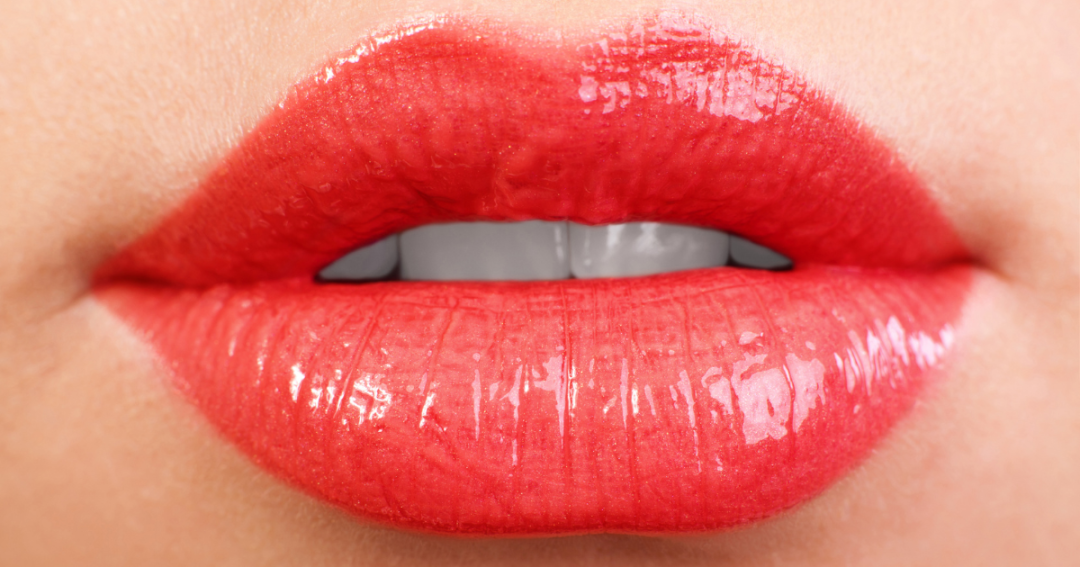
Why Russian Lips Need a Different Type of Filler
Russian lips aren’t about forward projection. They’re about lift.
You’re building vertical columns from the vermillion border upward. That structure has to hold against gravity, movement, and constant muscle activity.
If the filler is too soft, it spreads.
If it’s too fluid, the definition fades.
If it’s too stiff, the lips feel unnatural.
In practice, you start noticing patterns:
Some fillers simply behave better in vertical structuring.
And that usually comes down to rheology.
G-Prime: What You Actually Feel in Practice
You’ll hear G-prime discussed a lot, but clinically, it’s simple.
Higher G′ means more resistance to deformation.
For Russian lips, medium-high to high G-prime tends to perform best. It gives you the support needed to maintain height.
Low G′ products might look great immediately post-treatment, but once swelling settles and muscle movement kicks in, the lift often softens.
That said, going too high in stiffness can backfire, especially in thinner lips. You don’t want firmness that patients can feel when they press their lips together.
It’s support you’re after — not rigidity.
Cohesivity: The Detail That Prevents Migration
Cohesivity doesn’t always get enough attention, but in Russian lips it matters. A more cohesive gel holds its shape. It doesn’t spread laterally as easily.
That helps maintain:
- A defined vermilion border
- Controlled vertical height
- Less drift into the white roll
If you’ve ever reviewed a patient weeks later and noticed subtle widening rather than lift, cohesivity may have been part of the story.
Russian lips demand shape retention. Cohesion supports that structure long-term.
HA Concentration and Swelling: What to Expect
Most fillers suitable for Russian lips sit around 20–25 mg/ml of hyaluronic acid.
Higher concentration supports structure, but it also attracts more water.
In the clinic, swelling usually peaks around 48 hours. Patients often message at that point, thinking something has gone wrong. Setting expectations early makes follow-ups much smoother.
In thinner lip tissue, you may find slightly lower concentration integrates more comfortably. In naturally fuller lips, stronger structure often works better.
There isn’t a universal answer. Anatomy guides the decision.
How Long Do Russian Lips Really Last?
Let’s be honest — lips don’t hold filler as long as cheeks.
Because of constant movement, most Russian lip results last around 6–12 months in UK practice.
You’ll often see:
- Shorter duration in highly expressive patients
- Faster breakdown in smokers
- Gradual softening rather than sudden loss
If a product claims extreme longevity in lips, take that with context. Mobility changes everything.
UK Regulation: Why It Still Matters
Whatever product you use, it must comply with MHRA regulations and carry CE or UKCA marking.
Russian lips require structural gels. That makes sourcing even more important.
You should always check:
- Licensed UK distributor
- Batch traceability
- Proper storage conditions
- Class III medical device classification
Cold chain handling can affect gel consistency. Subtle performance differences sometimes trace back to storage rather than technique.
Safety: Why HA Remains the Preferred Option
Russian lips place filler in vertical columns close to important vascular structures.
The superior labial artery is not something you ignore.
Hyaluronic acid fillers remain the safest option because hyaluronidase can dissolve them if necessary.
Best practice includes:
- Slow, controlled injection
- Minimal pressure
- Strong anatomical awareness
- Immediate access to reversal agents
Confidence in Russian lips doesn’t come from product branding. It comes from preparation.
What Defines the “Best” Dermal Filler for Russian Lips?
When you strip everything back, the most reliable fillers for Russian lips usually share these traits:
- Medium-high to high G-prime
- Moderate-to-high cohesivity
- HA concentration around 20–25 mg/ml
- Predictable behaviour in vertical structuring
- MHRA compliance and reliable UK sourcing
It’s less about hype. More about control.
The right filler supports your technique. The wrong one forces you to compensate.
What Experienced Practitioners Tend to Prioritise
After enough Russian lip treatments, your priorities shift as you start valuing:
- Structural reliability over trend-based products
- Controlled swelling over dramatic expansion
- Safety profile over bold longevity claims
- Consistent supplier access over promotional discounts
Predictability becomes more important than novelty.
And that’s usually what determines whether something becomes your “go-to” product.
So, What’s the Real Answer?
The best dermal fillers for Russian lips in UK practice are MHRA-compliant hyaluronic acid fillers with sufficient G-prime to maintain vertical lift, enough cohesivity to prevent migration, and a concentration that balances structure with comfortable integration.
Not the softest option.
Not the densest option.
The one that behaves properly in vertical lip architecture.
When the filler matches the biomechanics of the technique, results look cleaner, hold their shape longer, and require fewer corrections.
That’s what actually makes a product “the best” in real clinic conditions.