
Whether you’ve been getting your nails done for years or you’ve just started treating yourself to regular appointments, you’ve probably sat across from a nail technician and wondered what half the tools on the tray actually do. It’s a fair question, and honestly, knowing the answer makes you a better client and helps you feel confident that the person working on your hands and feet actually knows what they’re doing.
So let’s break it all down. Not in a dry, clinical way, but the way we’d actually explain it in the treatment room.
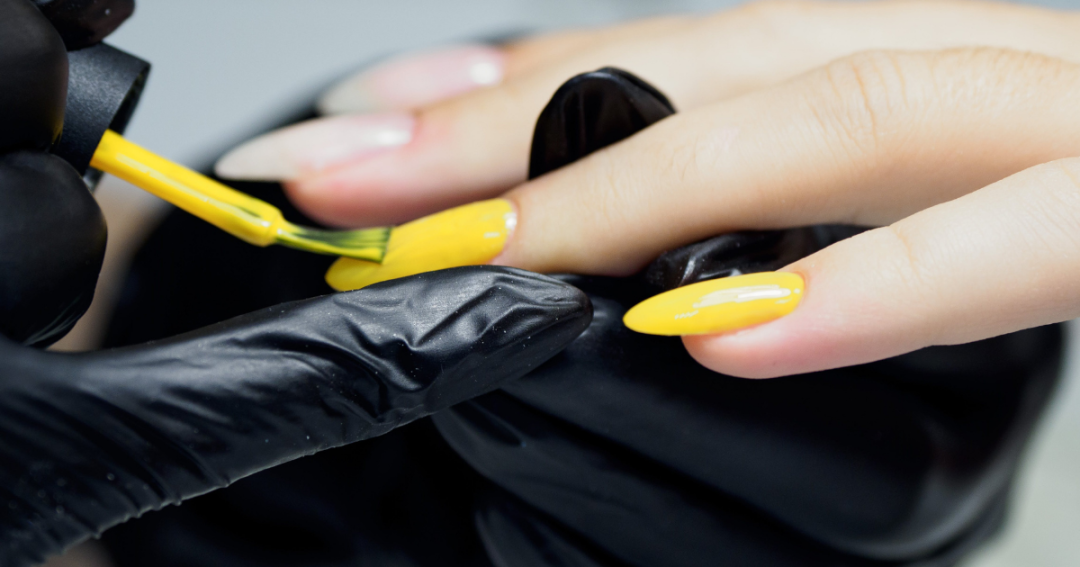
What’s on That Tray? The Core Manicure and Pedicure Tools Explained
When you sit down for a nail appointment, the tools laid out in front of your technician aren’t random. Each one has a specific purpose, and a well-stocked, properly sterilised kit is one of the first signs you’re in good hands.
Nail Clippers and Scissors
These are the basics, used to trim and shape the free edge of your nails before any filing begins. A good-quality clipper will cut cleanly without splintering the nail. Scissor-style tools tend to be used for more delicate work, like tidying hangnails or trimming softened cuticles. Don’t expect a reputable salon to reuse these between clients without sterilisation. Any good clinic will clean metal tools between every appointment, full stop.
Nail Files and Buffers
Filing isn’t just about length. It’s about shape and surface. Files come in different grits, and the lower the grit number, the coarser the abrasive. Coarser files are for shaping artificial nails; finer ones are gentler on natural nails. Buffers are used to smooth the nail surface, which can improve polish adhesion and give a healthy-looking shine even without colour.
One thing worth knowing: filing should always go in one direction. Back-and-forth sawing weakens the nail structure and can cause splitting. If your technician is doing this, it’s worth a gentle mention.
Cuticle Pushers and Nippers
The cuticle area is where a lot of clients feel nervous, and rightly so. If it’s not done carefully, it can cause soreness or even introduce bacteria. A cuticle pusher is used to gently ease the skin back from the nail plate, creating a clean canvas. Cuticle nippers are then used sparingly to remove only the dead, excess skin, not the living tissue.
This distinction matters. Over-aggressive cuticle cutting is one of the most common causes of post-appointment soreness and can increase the risk of infection. A trained professional keeps nipping to an absolute minimum.
Foot Files and Callus Removers
For pedicures, foot files are essential. They’re used to gently slough away hard skin and calluses on the heel, ball of the foot, and toe joints. These come in different materials, including metal, ceramic, and abrasive board styles, and are used both wet and dry depending on the treatment.
Callus removers work on tougher, thickened skin. In a clinical setting, some practitioners use electric pedicure machines for this, which are faster and more precise than manual tools, especially for clients with significant hard skin build-up.
Toe Separators and Manicure Bowls
These might seem minor, but they matter. Toe separators keep freshly painted nails apart so nothing smudges during polish application. Manicure bowls are used to soak the fingers in warm water before cuticle work, softening the skin and making the whole process more comfortable and effective.
Why Tool Hygiene Is Non-Negotiable
This is the part that doesn’t get talked about enough. Clean tools aren’t optional. They’re the baseline standard for safe nail care.
Metal implements like clippers, nippers, and pushers should be sterilised between every client, either using an autoclave or a medical-grade disinfectant solution. Single-use items, including files, buffers, and disposable liners, should be used once and discarded, ideally in front of you. If you ever visit a salon where tools are just wiped on a cloth and reused, that’s a serious hygiene concern. Don’t be embarrassed to ask about sterilisation procedures before your appointment starts. Any professional worth their salt won’t be offended.
What to Look for When Booking a Nail Treatment
Beyond hygiene, here’s what actually tells you a technician is skilled:
They ask about your nail health before they start. Conditions like fungal infections, psoriasis, or severely bitten nails all affect how a treatment should be approached. A good technician does a brief consultation, even for a regular client.
They don’t rush the prep. The soak, the cuticle work, the shaping, all of this takes time. A treatment that skips straight to polish is usually cutting corners somewhere.
They advise on aftercare. The best nail appointments come with some guidance on what to do between visits, whether that’s moisturising the cuticles daily with a good oil or avoiding harsh detergents without gloves.
Getting the Most Out of Your Appointment
A few practical tips from the treatment room:
Arrive with clean hands and feet, and skip the lotion on the day of your appointment, as it can interfere with polish adhesion. If you’re getting a pedicure, don’t shave your legs beforehand. Even tiny micro-abrasions make the skin more prone to irritation from products. And if you’re not sure what shape or finish you want, bring a photo. It genuinely helps.
For gel wearers: give your nails a proper break between sets if you notice any thinning or sensitivity. Switching to a regular polish occasionally allows the nail plate to recover and breathe.
Shop Professional Manicure and Pedicure Tools
Whether you’re a client wanting to maintain your nails between appointments, or a practitioner looking to stock up on reliable tools, getting the right kit matters. Browse the full range of professional nail care implements, from files and buffers to cuticle tools and pedicure accessories, at the Faces Consent shop:
Manicure and Pedicure Tools – Faces Consent
You’ll find everything needed to keep your treatments to a professional standard, all in one place.