
Why Patients Ask for Comparison?
As injectable weight loss programmes become more visible, patients increasingly arrive at aesthetic clinics asking for direct comparisons.
They want to know whether Mounjaro is better than Wegovy, how Ozempic fits into weight loss, and which option will work best for them.
For aesthetic practitioners, these conversations require balance.
Patients are looking for clarity, not sales messaging.
The practitioner’s role is to explain how these medications differ, why outcomes vary between individuals, and why there is rarely a single “best” option.
This guide compares Mounjaro, Wegovy, and Ozempic at a high level to support informed, neutral discussions within scope.
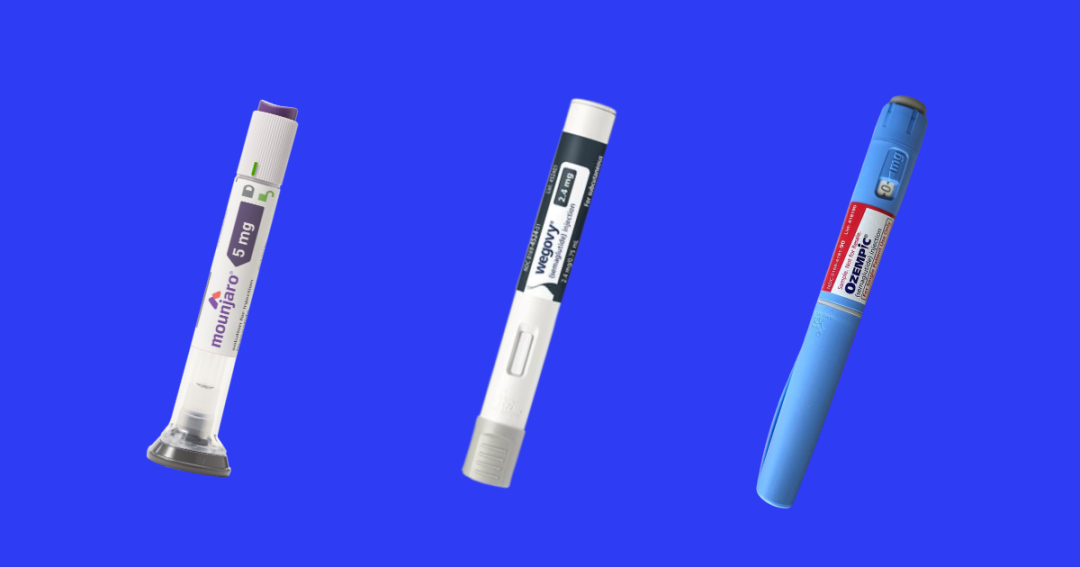
What Is the Difference Between Mounjaro, Wegovy, and Ozempic?
The primary difference between Mounjaro, Wegovy, and Ozempic lies in their effects on appetite and metabolic pathways, as well as their licensing and clinical use.
Mounjaro contains tirzepatide and acts on two hormone receptors involved in appetite regulation. Wegovy and Ozempic contain semaglutide and act on one. While this sounds subtle, it can influence appetite suppression, tolerance, and patient response.
To make this easier to explain in the clinic, a high-level comparison is often helpful.
High-level comparison table
| Medication | Active ingredient | Hormone targets | Primary use | Weight loss context |
|---|---|---|---|---|
| Mounjaro | Tirzepatide | GLP-1 and GIP | Type 2 diabetes | Widely used off-label for weight loss |
| Wegovy | Semaglutide | GLP-1 only | Obesity | Licensed specifically for weight loss |
| Ozempic | Semaglutide | GLP-1 only | Type 2 diabetes | Sometimes used off-label |
This table supports factual explanation without positioning one option as superior.
How Does Mounjaro Work Compared to Wegovy and Ozempic?
Mounjaro works differently from Wegovy and Ozempic because it targets two appetite-related hormone pathways rather than one. It activates both GLP-1 and GIP receptors, which influence satiety, insulin response, and energy intake.
Wegovy and Ozempic activate only the GLP-1 receptor. This still produces meaningful appetite suppression and weight loss for many patients, but the mechanism is narrower.
When patients ask how Mounjaro works compared to Wegovy, it can be helpful to explain that they all reduce appetite, but they do so using slightly different biological routes. This difference partly explains why some patients respond better to one medication than another.
Is Mounjaro Better Than Wegovy for Weight Loss?
There is no universal answer to whether Mounjaro is better than Wegovy for weight loss.
Clinical data suggest that Mounjaro can lead to greater average weight loss in some populations, but individual response varies significantly.
Reference: Clinical trial evidence supports this difference in average outcomes. In the SURMOUNT-1 trial, tirzepatide (Mounjaro) produced greater average weight loss than has been reported in earlier GLP-1-only obesity trials, with substantial variability between individuals. By comparison, the STEP-1 trial showed that semaglutide (Wegovy) achieved clinically meaningful but lower average weight loss. Supportive comparative data from the diabetes population, including SURPASS-2, further demonstrated greater weight reduction with tirzepatide than semaglutide, while reviews such as this Nature Reviews Endocrinology analysis emphasise that individual response and tolerability remain key determinants of treatment choice.
Some patients experience stronger appetite suppression with Mounjaro. Others tolerate Wegovy better and achieve consistent results over time. Effectiveness depends on appetite drive, tolerance, previous exposure to GLP-1 medications, and adherence.
From a practitioner perspective, it is important to reframe this question away from “better” and towards “better matched”.
Mounjaro vs Wegovy vs Ozempic for Appetite Suppression
All three medications suppress appetite, but patients often describe the experience differently.
Mounjaro is commonly associated with a stronger or broader reduction in appetite due to its dual mechanism. Wegovy and Ozempic tend to produce a more singular satiety signal. This does not mean one is superior, but it does mean patient experience can vary.
Patients with a strong hunger drive or control difficulties may respond differently from those whose eating habits are more habitual or emotional. These nuances are often more useful in consultation than headline weight loss numbers.
Side Effect Profiles Compared
Mounjaro, Wegovy, and Ozempic share a similar side effect pattern because they act on gut-related hormone pathways. Gastrointestinal symptoms such as nausea, diarrhoea, constipation, and reduced appetite are common across all three.
Where patients differ is in intensity and adaptation speed. Some tolerate one medication better than another, even within the same drug class. This is why prior GLP-1 experience is often relevant when advising patients.
Side effect comparison table
| Aspect | Mounjaro | Wegovy | Ozempic |
|---|---|---|---|
| Common side effects | GI-related | GI-related | GI-related |
| Onset | Often during initiation or escalation | Often during initiation or escalation | Often during initiation |
| Tolerance over time | Improves for most patients | Improves for most patients | Improves for most patients |
| Individual variability | High | High | High |
Individual variability means that patients respond differently to the same medication, even when it is used correctly and under the same clinical framework.
In simple terms:
Two patients can take the same drug in the same way and have very different outcomes.
This reinforces that side effects are expected and manageable rather than a sign of failure.
Dosing Structure Differences
All three medications are administered as weekly injections and follow a gradual escalation model. Patients do not begin at a full therapeutic dose.
The key difference is not the schedule itself but how patients tolerate escalation and respond to maintenance. From a practitioner’s standpoint, it is enough to explain that all three medications increase gradually and that faster escalation does not mean better results.
Dose decisions remain prescriber-led in all cases.
Which Patients May Suit Mounjaro vs Wegovy vs Ozempic?
Patient suitability is influenced by several factors rather than a single rule. Appetite intensity, previous response to GLP-1 medications, tolerance history, and expectations all play a role.
Some patients who have not responded well to single-pathway GLP-1 medications may respond differently to Mounjaro. Others prefer Wegovy because it is licensed specifically for weight loss and has a clear framework.
These discussions should always be framed as guidance, not selection or prescription.
How to Explain These Differences to Patients
Patients often want a simple answer to which option is best. A helpful approach is to explain that these medications work in similar ways but feel different in the body.
A neutral explanation reduces pressure and positions the practitioner as a guide rather than a decision-maker.
You might explain that some medications act on one appetite signal, others act on two, and the goal is to find the option the patient can tolerate and maintain.
Scope and Boundaries for Aesthetic Practitioners
Aesthetic practitioners play an important educational role, but prescribing decisions sit with the prescriber or GP.
Practitioners can explain how Mounjaro, Wegovy, and Ozempic differ, discuss expected effects, and identify when a patient may need further review.
They should not recommend one medication over another or advise switching without prescriber involvement.
Clear boundaries protect both patient safety and professional integrity.
Conclusion: There Is No Single Best Injection
Mounjaro, Wegovy, and Ozempic are often compared, but they are not interchangeable solutions. Each has a place depending on patient response, tolerance, and clinical oversight.
For aesthetic practitioners, the goal is not to decide which medication is best but to help patients understand the differences clearly and realistically. Well-informed patients are more confident, more adherent, and more likely to achieve sustainable outcomes.
FAQ: Mounjaro vs Wegovy vs Ozempic
Is Mounjaro better than Wegovy?
Mounjaro may lead to greater average weight loss in some patients, but this does not mean it is better for everyone. Individual responses and tolerance vary.
What is the difference between Mounjaro and Wegovy?
The main difference is how they work. Mounjaro targets two appetite-related hormone pathways, while Wegovy targets one.
Why is Mounjaro often compared to Ozempic?
Mounjaro and Ozempic are both used in diabetes care and influence appetite regulation. They are often compared because patients hear about both in weight loss discussions.
Do Mounjaro, Wegovy, and Ozempic work the same way?
They work in similar ways but not identically. All suppress appetite, but Mounjaro acts on an additional hormone pathway.
Which is better, Wegovy or Mounjaro?
Neither is universally better. The best option depends on patient response, tolerance, and prescriber guidance.