

Why Administration Matters as Much as the Medication
In aesthetic-led weight management, patient outcomes are rarely determined by the medication alone.
How Mounjaro is taken for weight loss management, how consistently it is used, and how well patients understand the process all influence tolerance, confidence, and long-term adherence.
In UK aesthetic practice, practitioners are often the main point of contact for questions such as how often Mounjaro is taken, when injections should be done, and how the pen works.
While prescribing decisions sit with the prescriber, patient education and safe-use reinforcement sit firmly within the practitioner’s role.
This guide explains how Mounjaro dosage and administration work at a practical level, how to explain dose progression without giving dosing instructions, and how to support patients safely without crossing scope boundaries.
How Mounjaro Dosing Works at a High Level
Mounjaro follows a gradual dosing approach. Patients do not start at a full therapeutic dose. Instead, treatment begins at a lower level and progresses over time under prescriber supervision.
This structure exists to support tolerance.
Mounjaro affects appetite regulation and digestive speed, and introducing it too aggressively increases the likelihood of nausea, vomiting, and early discontinuation. Gradual exposure allows the body to adapt and improves long-term outcomes.
Patients sometimes interpret slower progression as a delay in results. In practice, it is a protective strategy designed to keep them on treatment.
What to say to patients:
“Starting slowly helps your body adjust and reduces Mounjaro side effects. It is about staying on treatment safely, not rushing the process.”
How to Explain Dose Progression Clearly Without Discussing Dose Amounts
| Treatment Phase | Purpose | What Patients Experience | Key Message to Patients |
|---|---|---|---|
| Initiation | Adjustment and tolerance | Appetite changes, mild GI effects | “Your body is adapting.” |
| Adjustment | Balance effect and tolerance | More consistent appetite control | “We adjust gradually.” |
| Maintenance | Long-term stability | Predictable response | “This is about sustainability.” |
Aesthetic practitioners can explain how dose progression works without referencing specific milligrams or schedules.
Patients typically move through an initial adjustment phase, followed by a period where appetite suppression and tolerance are balanced, and finally a maintenance phase where results are sustained at a dose the patient can tolerate consistently.
This explanation helps patients understand that progression is responsive, not automatic. Dose changes are based on how the body responds, not on time passed or weight lost.
What to say to patients:
“The dose only increases when your body is ready. Everyone adapts at a different pace, and that is expected.”
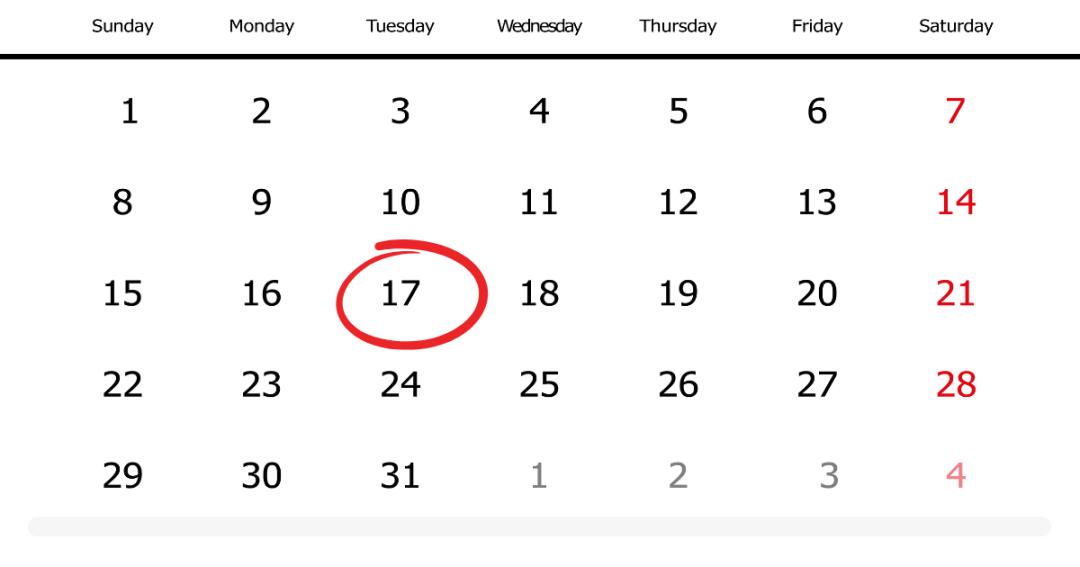
How Often Do You Take Mounjaro?
Mounjaro is taken once weekly, on the same day each week, unless the prescriber advises otherwise.
Consistency is more important than the specific time of day.
From a practitioner’s perspective, reinforcing a stable weekly routine reduces confusion and improves tolerance. Frequent changes to injection day can lead to fluctuating effects and unnecessary side effects.
What to say to patients:
“Choose one day each week and stick with it. Consistency helps your body respond more smoothly.”
When Is the Best Time to Take Mounjaro?
There is no single best time of day to take Mounjaro. Patients can inject in the morning or evening, depending on what fits their routine. The key factor is maintaining the same general timing each week.
Patients sometimes try to adjust the injection time to manage side effects. Any ongoing changes should be discussed with the prescriber rather than made independently.
You can also send our YouTube guide below to your patients, so they know what to expect in their first few weeks.
How to Use a Mounjaro Pen Safely
Patients frequently ask how to use a Mounjaro pen, especially if they are new to injectable treatments.
The pen is pre-filled and designed to deliver a fixed weekly dose. It is not intended to be adjusted, split, or used with syringes. Confusion around pen use is one of the most common reasons patients experiment unsafely, often due to advice found online.
As each injection requires a new sterile needle, patients can Buy Mounjaro KwikPen Needles Online to ensure they have compatible, single-use needles available throughout their treatment.
Practitioners should be confident explaining that the pen delivers one set dose per injection and should not be modified.
What to say to patients:
“The pen is designed to deliver one fixed weekly dose. If something does not feel right, it is important to speak to the prescriber rather than trying to adjust it yourself.”
How to Inject Mounjaro: Common Patient Misunderstandings
Patients are shown how to inject Mounjaro by their prescriber, but questions often arise later around technique, timing, and injection sites.
Common misunderstandings include changing technique without guidance, injecting into irritated skin, or assuming site choice affects weight loss results. While site choice does not change effectiveness, correct site selection and rotation reduce local irritation.
Practitioners can reinforce safe habits without demonstrating injection unless it falls within their professional scope.
Common Administration Issues Seen in Aesthetic Clinics
Many tolerance issues are linked to administration rather than the medication itself.
In the clinic, practitioners often see patients changing injection days frequently, missing doses and attempting to self-correct, or trying to escalate doses early due to impatience.
These behaviours are usually driven by uncertainty, not intention. Addressing them early with clear explanations helps prevent complications and builds trust.
What to say to patients:
“If you miss a dose or feel unsure, it is always better to ask than to try to fix it yourself.”
Scope of Practice for UK Aesthetic Practitioners
Clear boundaries protect both patient and practitioner.
Aesthetic practitioners can explain how Mounjaro is taken, reinforce correct administration habits, set expectations around dose progression, and identify when something is not right. They should not recommend dose changes, advise on dose splitting, or override prescriber instructions.
All dose decisions must remain prescriber-led.
What to say to patients:
“I can explain how the treatment works and what to expect, but any dose changes always come from the prescriber.”
When to Escalate Back to the Prescriber
Escalation is appropriate when patients report persistent or worsening side effects, repeated missed doses, confusion about pen use, or a desire to change their dose or injection schedule.
Early escalation prevents unsafe self-adjustment and supports a collaborative care approach.
Conclusion: Education Is a Safety Tool
Mounjaro is most effective when patients understand how to use it and why its structure exists.
Clients asking for the top weight loss injection brands? This guide will help you structure your advise.
In aesthetic practice, education is not an optional extra. It is a safety tool.
By reinforcing consistent administration, explaining dose progression clearly, and maintaining scope boundaries, practitioners support better tolerance, stronger adherence, and more sustainable outcomes.
How Mounjaro is used matters just as much as the medication itself.
FAQ: Mounjaro Dosage and Administration
How often do you take Mounjaro?
Mounjaro is taken once weekly on the same day each week, unless the prescriber advises otherwise. Maintaining a consistent routine supports stable effects and better tolerance.
When is the best time to take Mounjaro?
There is no single best time of day. Patients can inject in the morning or evening based on preference. Consistency matters more than timing.
How do you inject Mounjaro safely?
Patients are instructed by their prescriber on how to inject Mounjaro. Practitioners can reinforce correct injection sites, site rotation, and consistency, while avoiding changes to technique without medical guidance.
How do you use a Mounjaro pen?
The Mounjaro pen is pre-filled and designed to deliver a fixed weekly dose. It should not be adjusted, split, or used with syringes. Any concerns about pen use should be escalated to the prescriber.
How many clicks or doses are in a Mounjaro pen?
Questions about how many clicks are in a Mounjaro pen or how many doses a pen contains should be referred back to the prescriber. The pen delivers a fixed dose and is not designed for manual adjustment.
What should patients do if they miss a Mounjaro dose?
If a patient misses a dose, they should not attempt to self-correct by changing timing or dose amount. Missed doses should be discussed with the prescriber, who can provide appropriate guidance.